








What's Happening?
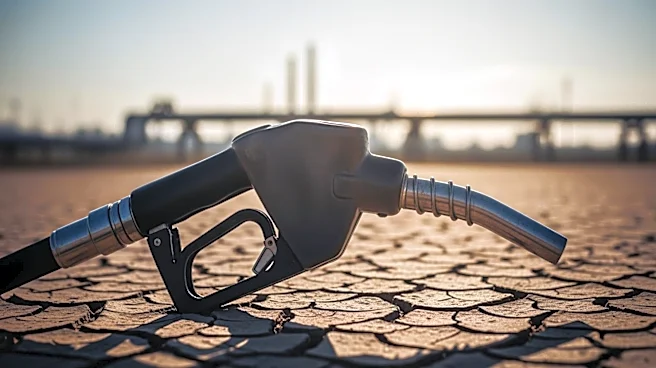
In response to the ongoing conflict in Iran, several countries have begun cutting fuel taxes to mitigate the economic impact of rising energy costs. The war, which started on February 28 with U.S. and Israeli strikes, has led to significant disruptions
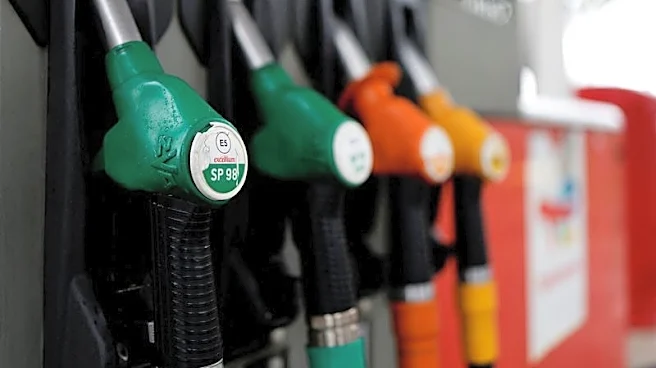
in the global oil supply, particularly affecting the Strait of Hormuz, a critical passage for one-fifth of the world's oil and gas. As a result, the average price of gasoline in the U.S. has surged to its highest level in four years, reaching $4.176 per gallon. To alleviate the financial burden on consumers, countries such as Canada, Germany, and India have implemented various tax reductions on fuel. These measures are part of a broader strategy to address the economic challenges posed by the conflict, which has already resulted in thousands of casualties across the Middle East.
Why It's Important?
The reduction in fuel taxes by numerous countries highlights the severe economic repercussions of the Iran conflict on global energy markets. With the closure of the Strait of Hormuz, the supply chain disruptions have led to increased fuel prices, affecting both consumers and industries worldwide. The tax cuts aim to provide temporary relief to citizens facing higher living costs due to the energy crisis. However, these measures also underscore the vulnerability of global economies to geopolitical tensions, particularly in regions critical to energy supply. The situation poses a risk of further economic instability, potentially leading to a global recession if the conflict persists without resolution.
What's Next?
As negotiations between the U.S. and Iran remain stalled, the prospect of a resolution to the conflict appears uncertain. The continued closure of the Strait of Hormuz could exacerbate the energy crisis, prompting more countries to adopt similar tax relief measures. Additionally, the ongoing geopolitical tensions may lead to further volatility in global oil markets, affecting economic growth and stability. Stakeholders, including governments and international organizations, may need to explore alternative strategies to secure energy supplies and stabilize markets in the face of prolonged conflict.