




What's Happening?
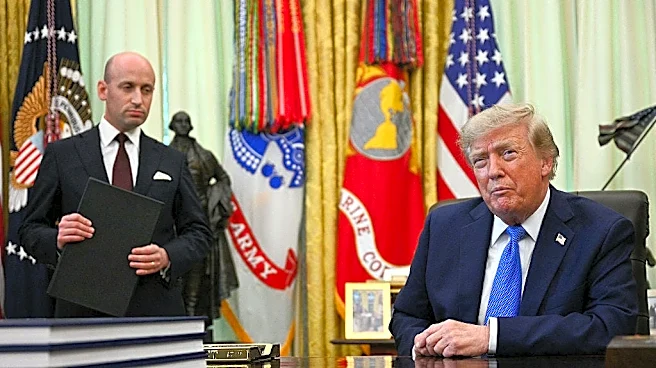
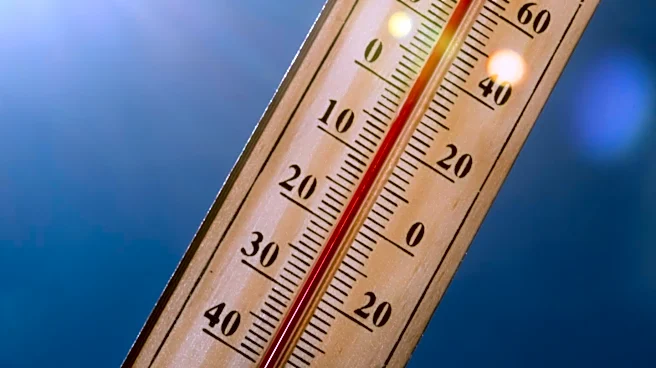
President Trump has intensified his criticism of climate science, labeling reports from the National Academies of Sciences, Engineering, and Medicine as 'fraudulent, biased, and misleading.' This comes as the U.S. experiences one of its hottest summers
on record, with a heatwave disrupting celebrations of the country's 250th anniversary. Despite the United Nations recognizing a clean, healthy, and sustainable environment as a basic human right, the Trump administration continues to downplay climate change, treating it as a 'hoax.' James K. Boyce, a scholar of political economy and climate policy, outlines necessary policies to protect the environment, emphasizing the need for constitutional amendments and pollution monitoring.
Why It's Important?
The Trump administration's stance on climate change could have significant implications for environmental policy and public health in the U.S. By dismissing scientific reports and rolling back environmental protections, the administration risks exacerbating climate-related issues such as extreme weather events and pollution. This approach may undermine efforts to secure a sustainable environment, which is increasingly recognized as a fundamental human right. The administration's policies could also impact international relations, as global efforts to combat climate change require cooperation and commitment from major economies like the U.S.
What's Next?
Future steps may involve increased advocacy for constitutional amendments to guarantee environmental rights and the implementation of stricter pollution monitoring. Environmental groups and policymakers may push for legislation similar to New Jersey's environmental justice law, which prioritizes pollution reduction in overburdened communities. Additionally, there could be a focus on holding corporations accountable for environmental damage and incentivizing cleaner technologies. The ongoing debate over climate policy is likely to influence upcoming elections and shape the U.S.'s role in global climate initiatives.
Beyond the Headlines
The broader implications of the Trump administration's environmental policies include potential legal challenges and shifts in public opinion. As awareness of climate issues grows, there may be increased pressure on businesses and governments to adopt sustainable practices. The administration's actions could also spark discussions about the role of science in policymaking and the importance of evidence-based decision-making. Long-term, these developments may lead to a reevaluation of the U.S.'s environmental strategy and its commitment to international climate agreements.