

What's Happening?
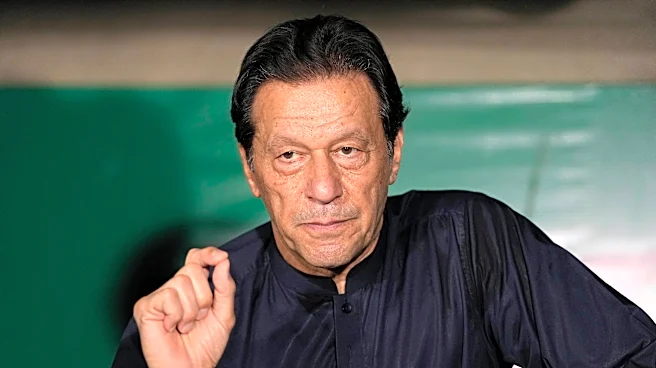
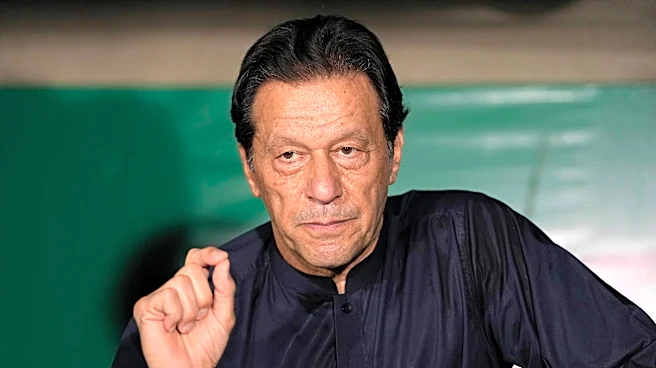
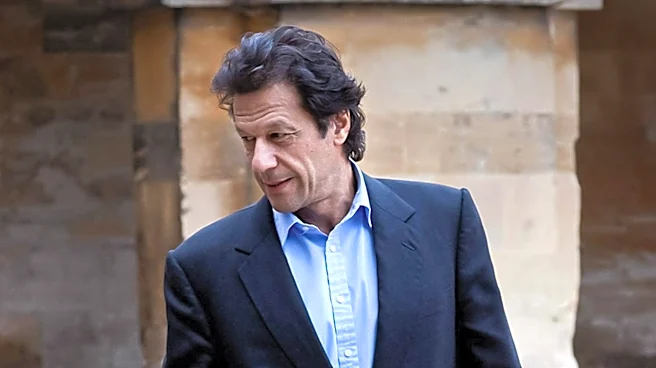
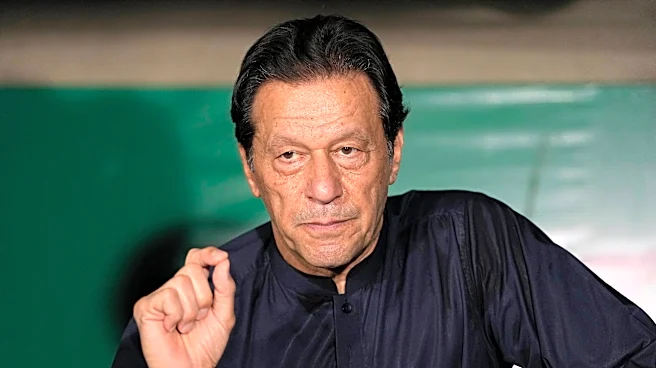
The Pakistani government has dismissed claims made by the family and party of former Prime Minister Imran Khan regarding his alleged mistreatment, mental torture, punitive solitary confinement, and medical neglect. These accusations were labeled as baseless
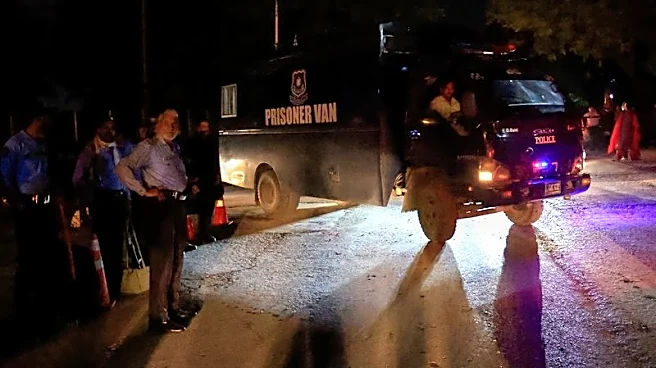
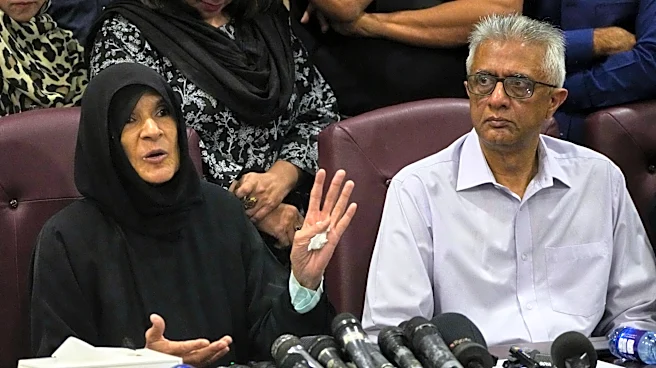
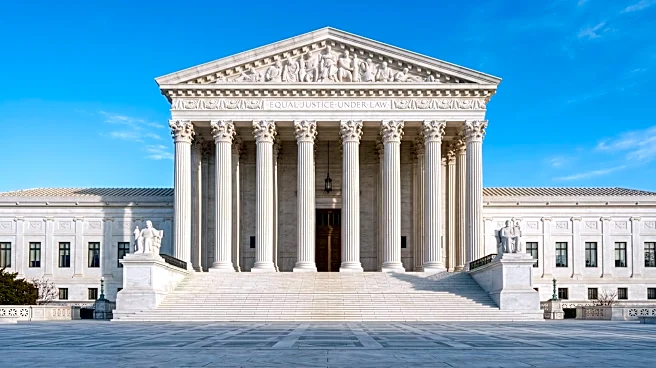
and unsupported by prison and medical records. The Ministry of Information stated that Khan is being held as a 'convicted prisoner' serving sentences imposed by courts following judicial proceedings, not under a government order. The government's response came after Khan's family and the Pakistan Tehreek-e-Insaf (PTI) party accused authorities of violating a Supreme Court order by taking him to a government hospital for a medical examination instead of a private hospital designated by the court. Khan's sister, Uzma Khan, reported that her brother complained of being kept in solitary confinement, which she described as mental torture. However, Information Minister Attaullah Tarar confirmed that Khan was returned to prison after doctors found him medically fit. The ministry also denied allegations of solitary confinement or denial of contact with his family, stating Khan has received over 900 visits and has weekly meetings with his wife, along with telephone and WhatsApp contact with relatives.
Why It's Important?
This situation highlights the ongoing political tensions and legal battles surrounding former Prime Minister Imran Khan in Pakistan. The allegations of mistreatment and medical neglect, if proven true, could further erode public trust in the government and judicial processes, both domestically and internationally. The government's firm denial and detailed counter-arguments aim to control the narrative and demonstrate adherence to legal procedures. The dispute over Khan's medical examination location, specifically the alleged violation of a Supreme Court order, raises questions about the rule of law and the independence of institutions. For the U.S. and other international observers, the treatment of high-profile political figures in Pakistan is often viewed as an indicator of the country's democratic health and human rights record. Continued instability or perceived injustices could impact diplomatic relations and international aid, as well as influence regional stability, given Pakistan's strategic importance.
What's Next?
The Supreme Court's order for Khan to be examined at Shifa International Hospital by a medical board, including one of his personal physicians, indicates that further legal and medical scrutiny is likely. The government's justification for taking him to a public hospital due to security concerns will likely be challenged by Khan's legal team and party. The ongoing legal proceedings against Khan, which have led to his imprisonment, will continue to unfold, potentially resulting in further convictions or appeals. Public reactions, particularly from supporters of the PTI party, could lead to protests or demonstrations, especially if concerns about Khan's well-being persist. International human rights organizations and foreign governments will likely continue to monitor the situation closely, potentially issuing statements or applying diplomatic pressure if they perceive significant violations of due process or human rights. The outcome of these events could significantly shape Pakistan's political landscape and its international standing.
Beyond the Headlines
The controversy surrounding Imran Khan's detention extends beyond immediate legal and medical concerns, touching upon deeper issues of political power, judicial independence, and media control in Pakistan. The government's detailed rebuttal, including specifics about Khan's diet, exercise, and communication access, suggests an effort to preemptively counter narratives of political persecution. The conflicting accounts from Khan's family and the government underscore the highly polarized political environment. This situation also reflects a broader pattern in many nations where former leaders, especially those with strong popular support, face legal challenges and imprisonment, often leading to accusations of politically motivated prosecutions. The use of medical conditions as a point of contention is a common tactic in such scenarios, aiming to garner public sympathy or discredit official narratives. The long-term implications could include a further entrenchment of political divisions and a potential chilling effect on dissent, impacting the future of democratic governance in Pakistan.