



What's Happening?
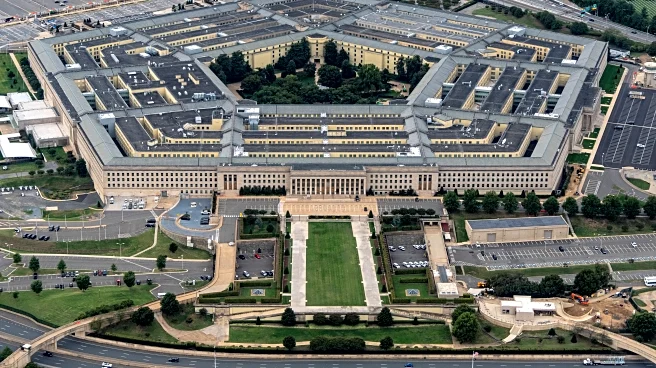
The Sentinel intercontinental ballistic missile (ICBM) program, a major U.S. defense initiative, is experiencing delays and cost uncertainties. The Pentagon has announced that new cost estimates for the program will not be available until the end of the year.
The program, which involves replacing the aging Minuteman III missiles, has faced challenges including software development delays and the lack of a comprehensive risk management plan. Despite these issues, Air Force officials remain optimistic about the program's progress, emphasizing its importance for national security. The Government Accountability Office (GAO) has expressed skepticism about the program's timeline and management, highlighting the risks associated with such a large-scale project.
Why It's Important?
The Sentinel ICBM program is critical for maintaining the U.S. nuclear deterrent capability, especially in the context of global security tensions. Delays and cost overruns could impact the program's effectiveness and the U.S. military's ability to respond to emerging threats. The program's challenges also reflect broader issues in managing large government projects, where cost control and risk management are crucial. The outcome of the Sentinel program will have significant implications for U.S. defense policy and its strategic posture, particularly as international arms control agreements, like the New START treaty, face uncertainty.
What's Next?
The Air Force plans to conduct a test launch by 2027 and aims to deliver the initial ICBM by the early 2030s. However, the program's success will depend on addressing the GAO's concerns and ensuring effective project management. The Pentagon will need to finalize cost estimates and develop a robust risk management plan to mitigate potential setbacks. As the program progresses, it will be essential for military and government leaders to maintain transparency and accountability to secure continued support and funding.