




What's Happening?
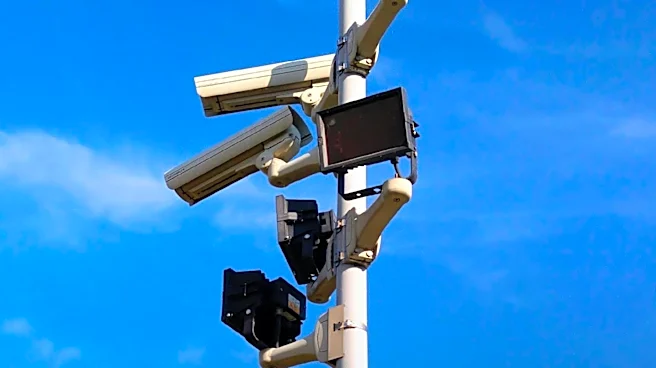
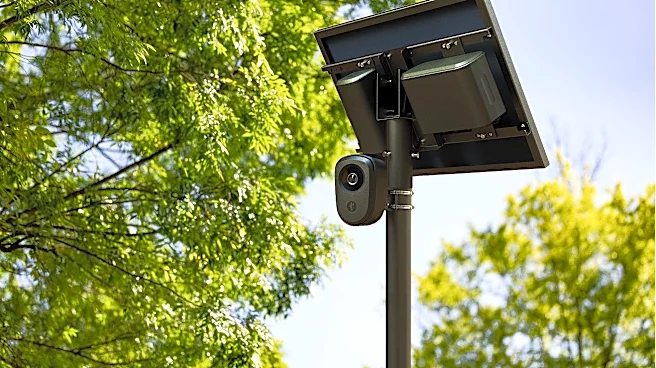
Rhode Island Governor Dan McKee has ordered a statewide moratorium on the installation and activation of new automated license plate reader (ALPR) cameras, such as those from Flock Safety. This decision comes in response to growing controversy and privacy
concerns surrounding the technology, which has been criticized for enabling nationwide mass surveillance and potential misuse of data by law enforcement. The governor's order prohibits the state police from installing new cameras for two months and urges cities and towns across Rhode Island to follow suit. During this 60-day period, a review of the technology's use will be conducted, with the goal of establishing uniform statewide standards. Existing cameras may continue to operate, but the pause aims to allow for the development of clear and consistent rules to balance public safety with personal privacy.
Why It's Important?
This moratorium in Rhode Island signifies a growing public and governmental pushback against the unchecked expansion of surveillance technologies in the U.S. The widespread deployment of ALPRs by companies like Flock Safety has raised significant civil liberties concerns, particularly regarding the potential for constant tracking of individuals' movements and the aggregation of vast amounts of personal data. The lack of uniform regulations has led to a patchwork of policies, creating inconsistencies in how data is collected, stored, and used. This action by Governor McKee highlights the tension between law enforcement's desire for tools to combat crime and citizens' rights to privacy. It could set a precedent for other states and municipalities to re-evaluate their use of ALPR technology, potentially leading to more stringent regulations, greater transparency, and a more balanced approach to public safety and individual freedoms.
What's Next?
Over the next 60 days, Rhode Island's Department of Public Safety, the Rhode Island Police Chiefs' Association, and the Rhode Island League of Cities and Towns will collaborate to formulate new guidelines for ALPR technology. The ultimate goal is to advance new legislation when the state legislature reconvenes in January 2027, which would codify more robust protections and standards for camera use. This process will likely involve public input and debates over data retention policies, access controls, and accountability mechanisms to prevent misuse. The outcome of Rhode Island's review and subsequent legislation could influence how other states approach similar technologies, potentially leading to a broader national conversation about the regulation of surveillance tools and the protection of digital privacy in an increasingly monitored society.
Beyond the Headlines
The controversy surrounding ALPR cameras extends beyond immediate privacy concerns to deeper questions about the nature of public space and the role of technology in shaping societal norms. The ability to continuously track vehicles creates a digital footprint of individuals' movements, which can be used for purposes far beyond initial crime prevention, potentially impacting freedom of association and expression. This situation also highlights the power of technology companies in shaping public safety infrastructure and the need for robust democratic oversight of their products. The Rhode Island moratorium could spark a broader ethical discussion about the 'smart city' concept and the balance between technological advancement, convenience, and fundamental human rights. It also underscores the importance of local governance in responding to technological changes that have national implications for civil liberties.