






What's Happening?
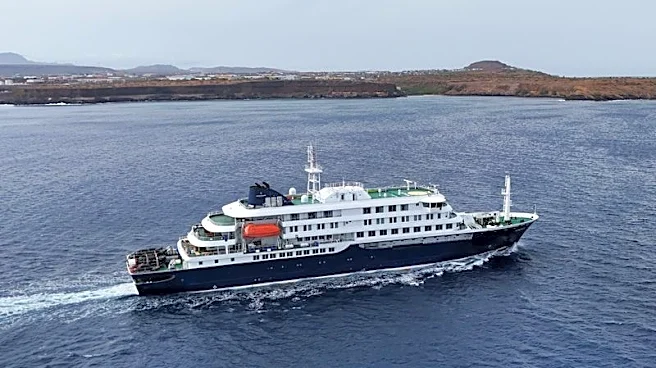
A hantavirus outbreak on the MV Hondius cruise ship in the Atlantic has resulted in three deaths among eight confirmed or suspected cases. The World Health Organization (WHO) has stated that the virus, identified as the Andes strain, is unlikely to cause
a global pandemic similar to COVID-19. The virus typically spreads from rodents, but person-to-person transmission occurred due to close contact on the ship. Passengers from 12 countries, including the U.S., disembarked before the virus was detected. WHO is monitoring the situation and coordinating with health authorities in affected countries.
Why It's Important?
The outbreak highlights the challenges of managing infectious diseases in confined environments like cruise ships. While the hantavirus has a high mortality rate, the WHO's assessment of low public health risk is reassuring. The situation underscores the importance of rapid response and international cooperation in containing outbreaks. The incident also serves as a reminder of the potential for new or re-emerging infectious diseases to disrupt global travel and public health systems.
What's Next?
WHO is developing a plan for when the ship docks, which may include isolation and monitoring of confirmed cases. Health authorities in affected countries are advised to conduct contact tracing and monitor for symptoms. The situation will require ongoing vigilance to prevent further spread. The response to this outbreak could inform future protocols for managing infectious diseases on cruise ships and other travel settings.