






What's Happening?
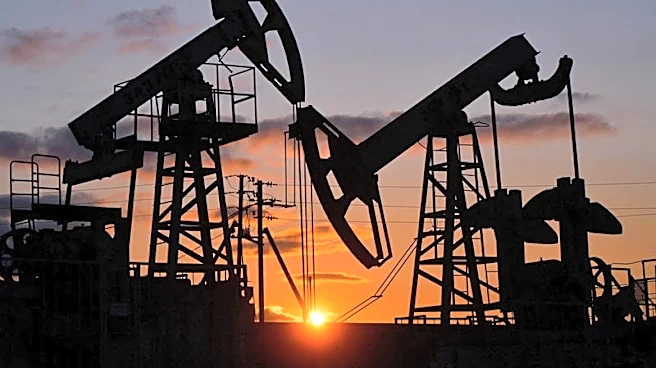
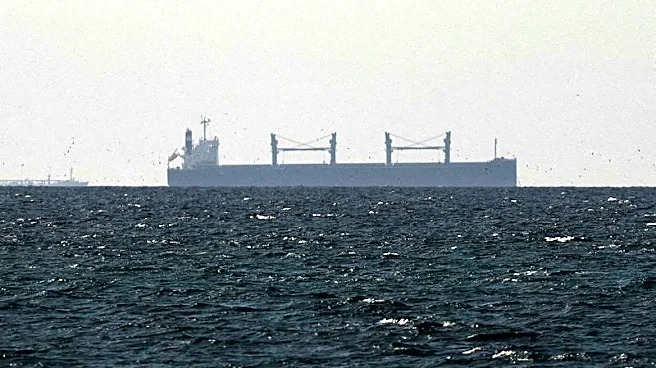
OPEC's crude oil production experienced a record decline in March, dropping by nearly 8 million barrels per day due to the ongoing conflict involving Iran. The closure of the Strait of Hormuz has severely impacted exports from key OPEC members, including
Iraq, Saudi Arabia, and the UAE. This disruption has led to soaring prices for oil products such as jet fuel and gasoline, posing a threat to the global economy. The conflict has resulted in the steepest production drop since the 1980s, with significant implications for global energy markets.
Why It's Important?
The drastic reduction in OPEC's oil output highlights the vulnerability of global energy supply chains to geopolitical tensions. The closure of the Strait of Hormuz, a critical passage for oil exports, has exacerbated supply constraints, leading to increased fuel prices and inflationary pressures worldwide. This situation underscores the potential for regional conflicts to have far-reaching economic consequences, affecting energy-dependent industries and economies globally. The ongoing conflict and its impact on oil supply could lead to prolonged economic disruptions and necessitate coordinated responses from major oil-consuming nations.
What's Next?
OPEC+ is scheduled to meet on May 3 to discuss further production adjustments in response to the ongoing conflict. The continuation of the blockade and potential retaliatory actions by Iran could lead to further disruptions in oil supply, necessitating additional measures by OPEC+ to stabilize the market. The international community will be closely monitoring the situation, as prolonged disruptions could lead to more severe economic consequences and necessitate coordinated responses from major oil-consuming nations.