



What's Happening?
Australia has introduced a nationwide ban on social media for individuals under 16, effective December 10. This move aims to enhance the health and happiness of young people by reducing their exposure to online risks such as cyberbullying and algorithmic
manipulation. The ban covers popular platforms like Instagram, TikTok, and YouTube, with social media companies required to enforce age restrictions. The initiative is part of a broader effort to address concerns about the negative impact of social media on youth, including mental health issues and distractions from academic and social activities.
Why It's Important?
This policy represents a significant step in global efforts to regulate social media usage among minors. By restricting access, the Australian government hopes to mitigate the adverse effects of social media on young people's mental health and development. The ban could serve as a model for other countries considering similar measures. However, its success will depend on effective enforcement and the ability to measure its impact on youth behavior and well-being. The initiative also raises questions about balancing digital freedom with protective measures for vulnerable populations.
What's Next?
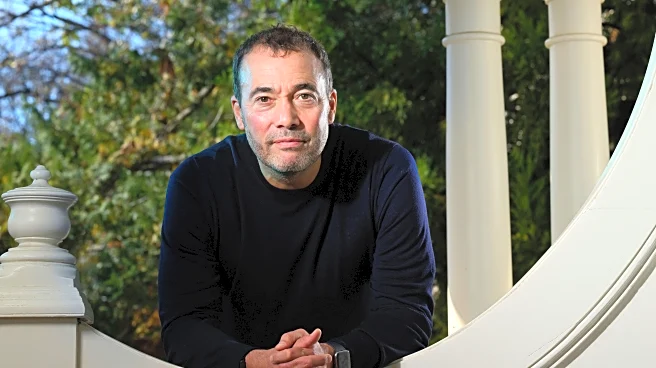
The Australian government plans to evaluate the ban's effectiveness over the next two years, with a scientific advisory group led by Stanford's Social Media Lab. The outcomes of this evaluation will be crucial in determining the policy's success and could influence similar actions in other countries. The challenge lies in accurately assessing the ban's impact amidst various influencing factors and ensuring compliance by social media companies.
Beyond the Headlines
The ban highlights the ongoing debate about the role of social media in society and its regulation. It raises ethical questions about digital rights and the responsibilities of governments and tech companies in safeguarding young users. The policy's long-term effects on social dynamics and digital literacy among youth will be closely watched.