



What's Happening?
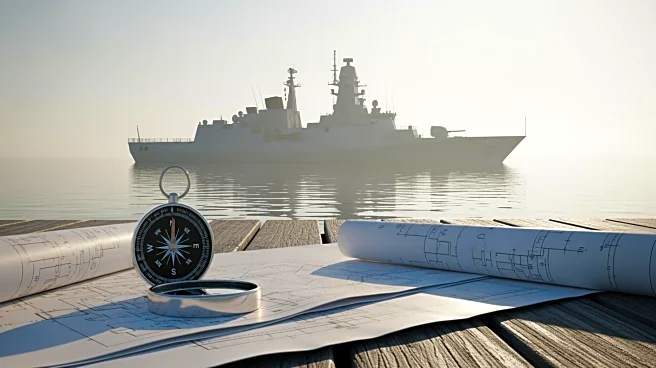
The German Bundestag's Budget Committee has approved a preliminary agreement to establish production schedules for the potential order of MEKO A-200 DEU frigates. This decision comes as a response to significant delays in the construction of the F126-class
frigates by a Dutch shipyard, Damen. The agreement, approved on January 28, 2026, aims to safeguard measures to ensure deadlines are met if an alternative platform is needed for the German Navy's proposed F126 frigate project. TKMS, a German manufacturer, has proposed its MEKO-class ships as a stopgap solution. The preliminary agreement with the Federal Office of Bundeswehr Equipment, Information Technology and In-Service Support (BAAINBw) allows TKMS to start central preparatory measures, including procurement and steelwork, with an initial budget of up to EUR50 million (USD59 million) until the end of March 2026.
Why It's Important?
This development is significant as it highlights the challenges faced by the German Navy in modernizing its fleet amidst delays in the F126 project. The approval of the preliminary agreement ensures that Germany maintains its naval capabilities while addressing potential gaps in its defense strategy. The decision to consider MEKO A-200 DEU frigates underscores the importance of having contingency plans in place for critical defense projects. This move could also impact the European defense industry, as it involves collaboration between German and Dutch shipyards, potentially influencing future procurement and manufacturing decisions within the region.
What's Next?
The next steps involve TKMS beginning immediate preparatory work, including material procurement and steelwork, as outlined in the preliminary agreement. The company plans to start these activities in February 2026. While there is no official construction contract yet, the agreement marks the official start of the MEKO A-200 DEU project. The delivery of the first vessel is projected for December 2029. Stakeholders will be closely monitoring the progress of this project, as it could set a precedent for how Germany handles future defense procurement challenges.