


What's Happening?
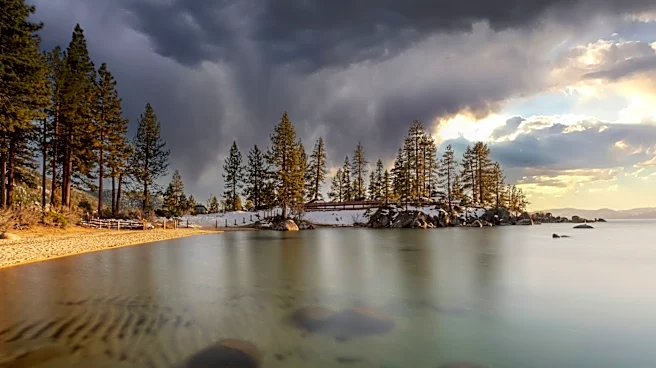
Albuquerque, a city typically characterized by its dry climate, has experienced an unusual amount of rainfall this month, recording 1.04 inches, which is 0.6 inches above the average for May. This significant rainfall occurred just before the official
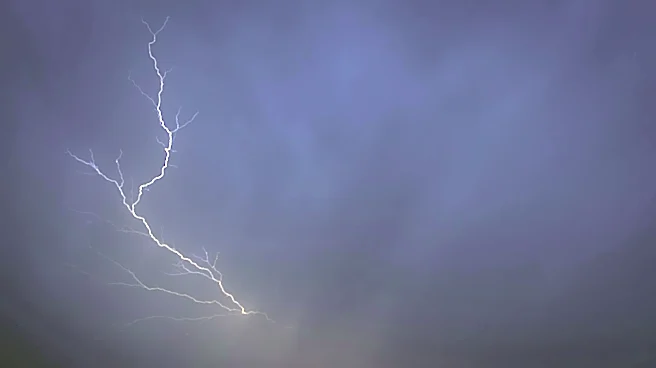
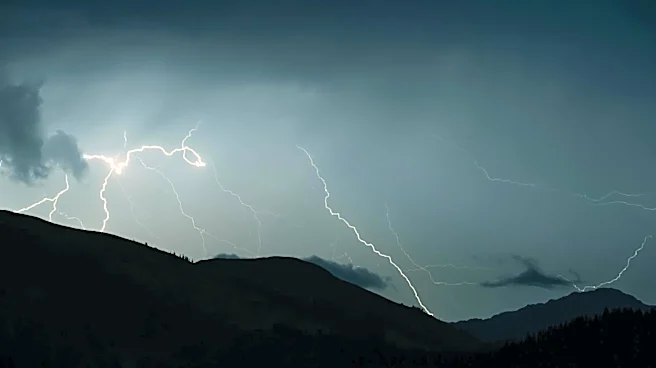
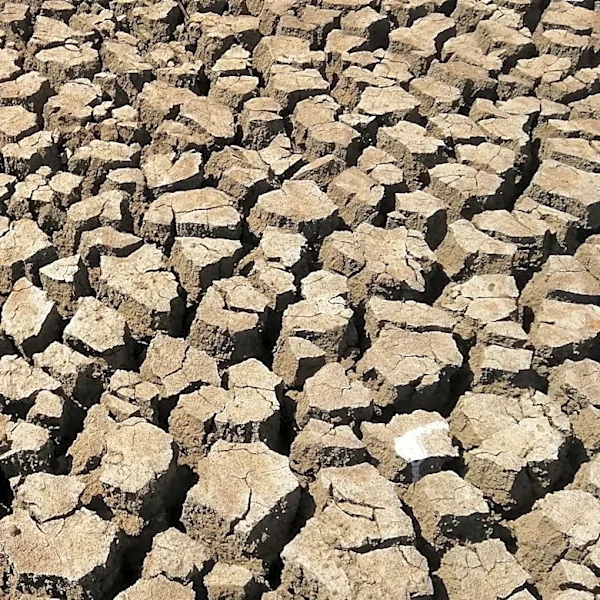
start of the monsoon season, which runs from June 15 through September 30. The National Weather Service (NWS) in Albuquerque issued several warnings for showers and thunderstorms, with rainfall heavy enough to trigger flash flood warnings. The city received 0.69 inches of rain in just two days, surpassing the average monthly rainfall. This comes at a time when New Mexico is grappling with severe drought conditions, with nearly 30 percent of the state, including Bernalillo County where Albuquerque is located, facing extreme drought.
Why It's Important?
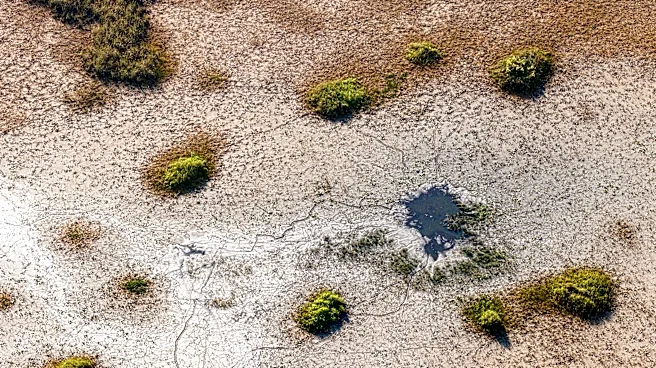
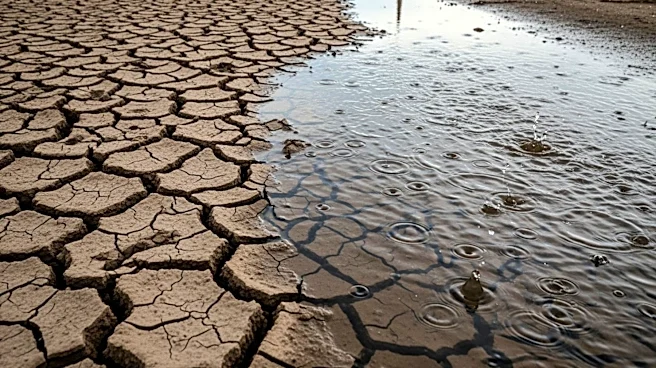
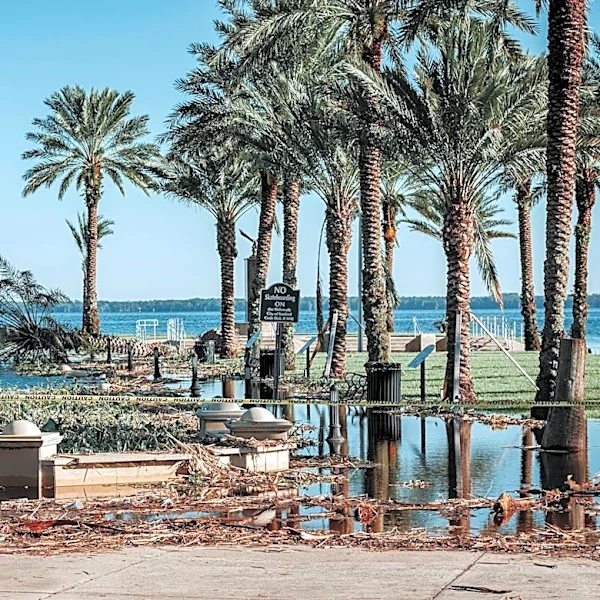
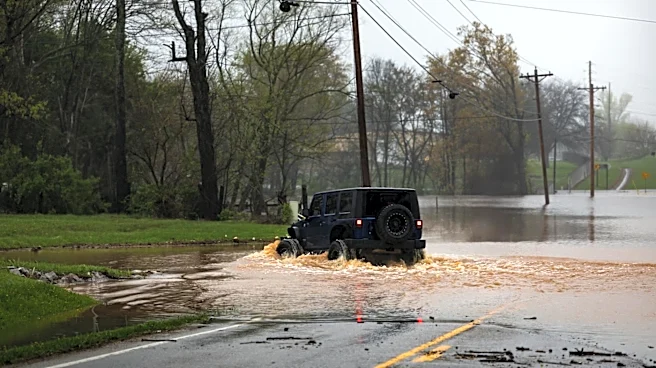
The unexpected rainfall in Albuquerque highlights the challenges of managing water resources in a region prone to drought. The heavy rains, while providing temporary relief, also pose risks of flash flooding due to the city's high desert environment, where water runs off quickly over hard, dry ground. This situation underscores the need for effective water management strategies to mitigate the impacts of both drought and sudden heavy rainfall. The rainfall is crucial for replenishing water supplies in a state where water scarcity is a persistent issue. However, the potential for flash floods presents a significant risk to infrastructure and public safety, necessitating preparedness and responsive measures from local authorities.
What's Next?
Looking ahead, the NWS predicts a dry weekend for Albuquerque, but more rain is expected in the following week. The NWS Climate Prediction Center forecasts above-average rainfall across New Mexico in the coming weeks, which could further impact the region's drought conditions. Local authorities and residents are advised to remain vigilant for potential flash floods and to prepare for the upcoming monsoon season, which typically brings more intense and frequent thunderstorms. The situation calls for continued monitoring and adaptive strategies to manage the dual challenges of drought and flooding.