






What's Happening?
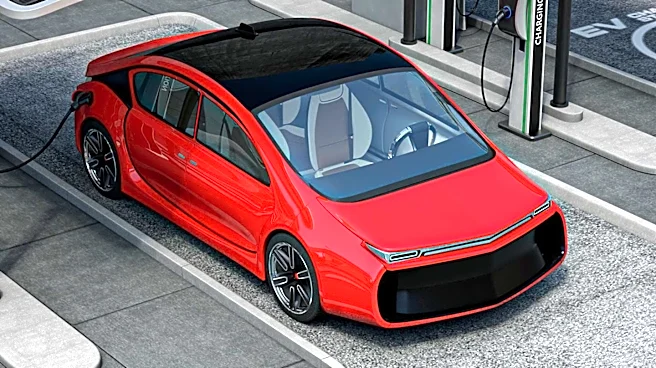
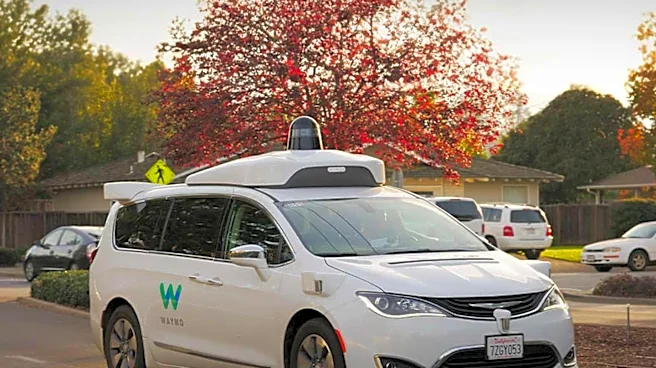
Aseon Labs, a startup based in Redwood City, has introduced a novel solution to improve the efficiency of robotaxi services. The company plans to deploy automated modules, or pods, throughout cities to perform inspection, cleaning, and charging functions
for autonomous vehicles. These pods aim to reduce 'deadhead miles,' which are distances traveled without passengers, a significant expense for robotaxi companies. Aseon Labs has secured $10 million in funding from investors including Crane Venture Partners and Y Combinator. The startup's founders, George Kalligeros and Dan Keene, have previously launched a successful battery-swapping infrastructure for micromobility. Their current focus is on minimizing idle travel time for robotaxis, thereby increasing profitability.
Why It's Important?
The development of 'pit-stop' technology by Aseon Labs could revolutionize the autonomous vehicle industry by making robotaxi services more economically viable. By reducing the time and energy spent traveling to distant service centers, this innovation could lower operational costs and increase service efficiency. This advancement is crucial as cities continue to integrate autonomous vehicles into their transportation systems. The ability to place service modules in high-demand areas could lead to more widespread adoption of robotaxis, potentially transforming urban mobility and reducing reliance on traditional taxi services.
What's Next?
Aseon Labs plans to create five prototypes and expand its engineering team to further develop and implement its 'pit-stop' technology. As the company progresses, it will likely seek additional investment to scale its operations and establish a comprehensive driverless transport ecosystem. The success of this initiative could prompt other companies to explore similar solutions, fostering innovation in the autonomous vehicle sector. The integration of these modules into urban infrastructure will be a key factor in determining the long-term impact of this technology.