






What's Happening?
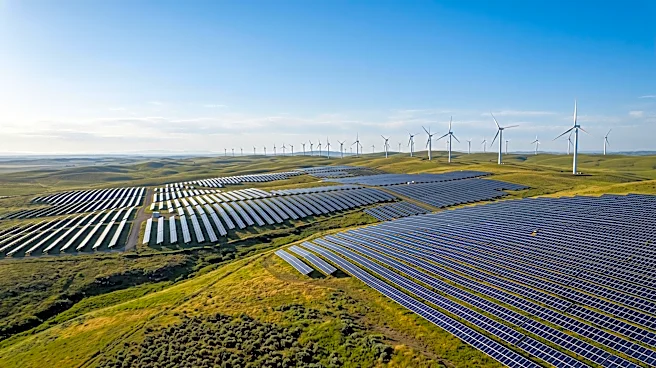
The clean energy industry is significantly increasing its political and cultural influence, as evidenced by the launch of the Amped organization by Huck Capital CEO Steve McBee. This initiative aims to strengthen the industry's political standing and accelerate
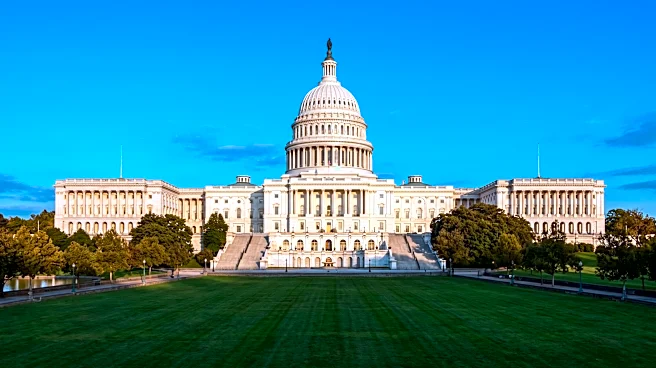
its commercial position. Concurrently, political action committees (PACs) like the Invest in Tomorrow Coalition are deploying substantial funds to oppose politicians who challenge renewable energy incentives. For instance, the Invest in Tomorrow Coalition spent $1.7 million against Representative Roy for his efforts to end renewable energy tax incentives and has secured pledges for at least $15 million ahead of upcoming midterm elections. The goal is to send a clear message to elected officials that opposing the clean energy industry could have significant financial repercussions for their political careers. Another PAC, the American Power Forward PAC, is also actively supporting solar-friendly state and local candidates, with Nevada's State Assembly District 21 incumbent, Democrat Elaine Marzola, being an early target.
Why It's Important?
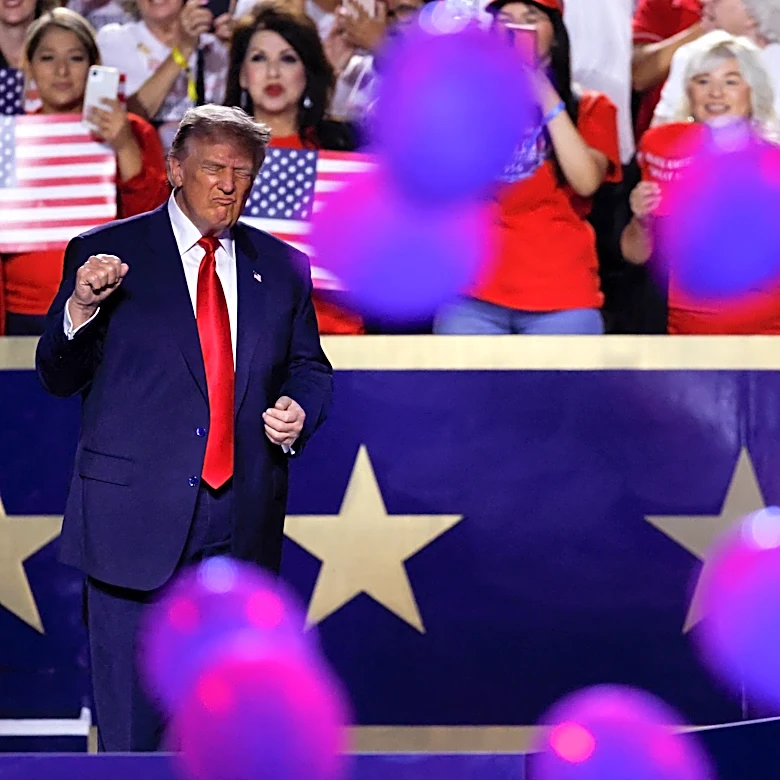
This intensified political engagement by the clean energy sector marks a critical shift in how the industry plans to navigate the contentious U.S. energy landscape. By directly influencing elections and supporting pro-clean energy candidates, the industry aims to secure a more favorable policy environment, which is crucial for its continued growth and investment. This strategy could lead to more consistent and supportive legislation for renewable energy projects, potentially accelerating the transition away from fossil fuels. Conversely, politicians who have historically opposed clean energy initiatives may face increased financial pressure and electoral challenges, potentially altering the composition of legislative bodies. The increased spending also highlights the growing economic power of the clean energy sector and its determination to protect its interests against political headwinds, including those from administrations that have been perceived as less supportive of renewables, such as the Trump administration.
What's Next?
The clean energy industry's increased political spending is expected to continue, particularly in upcoming election cycles. PACs like the Invest in Tomorrow Coalition and the American Power Forward PAC will likely target more races, focusing on candidates who either support or oppose renewable energy initiatives. This could lead to more competitive elections in districts where clean energy policies are a significant issue. The industry's efforts to build political and cultural strength through organizations like Amped will also likely expand, aiming to integrate industry, markets, policymakers, communicators, and consumers around the possibilities of a modern energy economy. Furthermore, the ongoing development of new solar materials, such as perovskite and thin-film CdTe, will continue to drive technological advancements, potentially making clean energy even more competitive and resilient against political opposition. The outcome of these political battles will significantly shape the future of U.S. energy policy and the pace of the clean energy transition.
Beyond the Headlines
The aggressive political strategy adopted by the clean energy industry reflects a deeper understanding that technological innovation alone is insufficient to overcome entrenched political and economic interests. This move signifies a maturation of the industry, recognizing the necessity of building robust political and cultural capital to defend and accelerate its commercial position. It also raises questions about the increasing role of special interest money in shaping U.S. elections and policy, and whether this trend will lead to a more balanced energy portfolio or further entrench partisan divides. The long-term implications could include a more rapid decarbonization of the U.S. economy, but also potentially a more polarized political discourse around energy issues. The industry's focus on 'upstream' activities to build durable commercial, cultural, and political strength suggests a sustained, multi-faceted effort to embed clean energy as a fundamental component of the national identity and economic future.