
What's Happening?
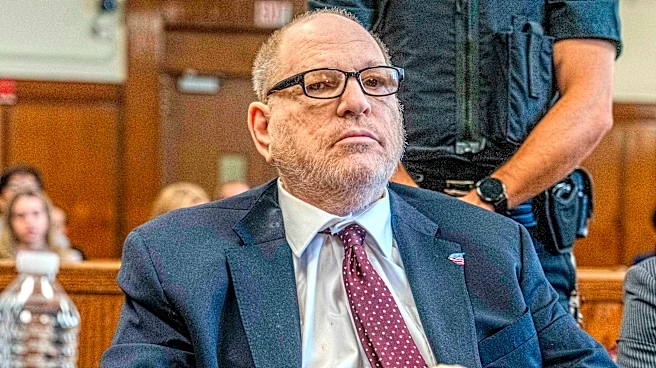
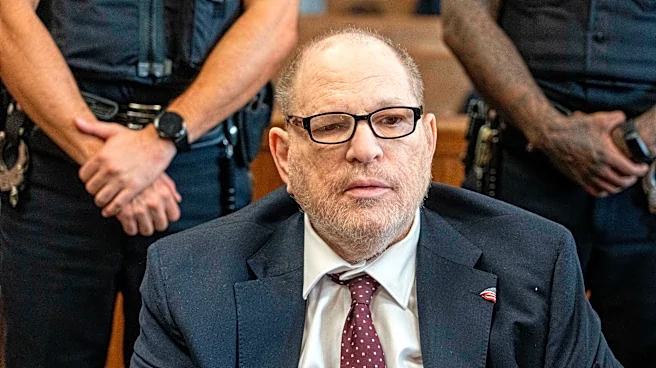
The murder-for-hire trial of Daniel Sikkema, the estranged husband of prominent New York City art dealer Brent Sikkema, has commenced in Manhattan. Brent Sikkema, co-owner of a contemporary art gallery,
was found stabbed to death in his Rio de Janeiro townhouse in January 2024. Daniel Sikkema, a dual U.S. and Cuban citizen, was arrested in April 2024 on federal charges of orchestrating the murder. Prosecutors allege that Daniel Sikkema funneled over $10,000 to an alleged hitman and promised more money, motivated by financial gain from his spouse's death. The prosecution plans to present witness testimonies, digital and financial records, and location data to support their case. Defense attorney Florian Miedel argues that the evidence is circumstantial and that no hitman will testify against his client. Miedel emphasizes that extreme statements made during a contentious divorce should not be taken as evidence of guilt.
Why It's Important?
This trial highlights the complexities and potential dangers involved in high-stakes divorce cases, especially when significant financial assets are at play. The case underscores the legal and ethical challenges in proving murder-for-hire allegations, which often rely on circumstantial evidence. The outcome of this trial could have implications for how similar cases are prosecuted in the future, particularly in terms of the evidentiary standards required to secure a conviction. Additionally, the trial draws attention to the vulnerabilities of individuals involved in high-profile relationships and the potential for financial motivations to lead to criminal actions.
What's Next?
As the trial progresses, the jury will hear testimonies from various witnesses, including those who can provide insights into the relationship dynamics between Daniel and Brent Sikkema. The prosecution will aim to establish a clear link between Daniel Sikkema and the alleged hitman, while the defense will seek to cast doubt on the prosecution's narrative. The trial's outcome will depend heavily on the jury's interpretation of the circumstantial evidence presented. The case may also prompt discussions on the need for legal reforms in handling murder-for-hire allegations, particularly concerning the admissibility and weight of digital and financial evidence.