




What's Happening?
The November 10th drought monitor indicates varied drought conditions across the U.S., with 67.0% of the country experiencing abnormal dryness or drought, a 2.1% decrease from the previous week. Specifically, 41.7% of the U.S. is in D1 level drought or higher,
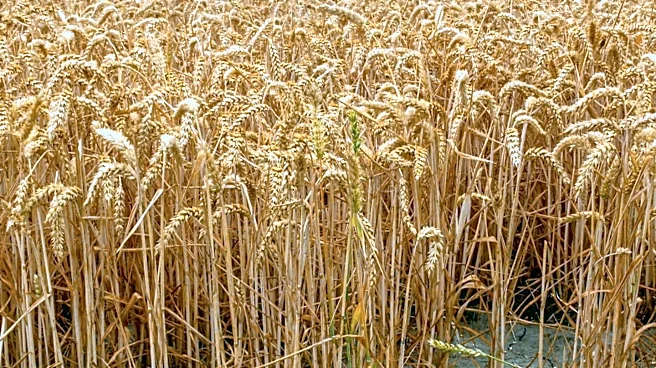
down 2.3%. In the Midwest, southern Indiana and Illinois observed mild reductions in drought ratings due to recent rainfall. However, areas further north, particularly states bordering the Great Lakes and the lower Mississippi region, remained dry. The Southeast, near the Atlantic, received over six inches of rain, significantly easing drought conditions there. Currently, 21% of corn acres, 29% of soybean acres, and 48% of winter wheat acres are affected by D1-D4 drought. For livestock, 35% of the U.S. cattle herd and 26% of dairy cattle are under D1-D4 drought conditions.
Why It's Important?
The fluctuating drought conditions across the Midwest and other agricultural regions have significant implications for U.S. agriculture and the broader economy. The continued dryness in northern Midwest states could impact crop yields and livestock health, potentially leading to increased feed costs and reduced agricultural output. Conversely, the relief in southern Indiana and Illinois, along with the Southeast, offers a positive outlook for those specific agricultural sectors. The percentage of corn, soybean, and winter wheat acres in drought highlights the vulnerability of key U.S. commodity crops, which can influence food prices and export markets. The impact on cattle and dairy herds also points to potential disruptions in the meat and dairy industries, affecting both producers and consumers.
What's Next?
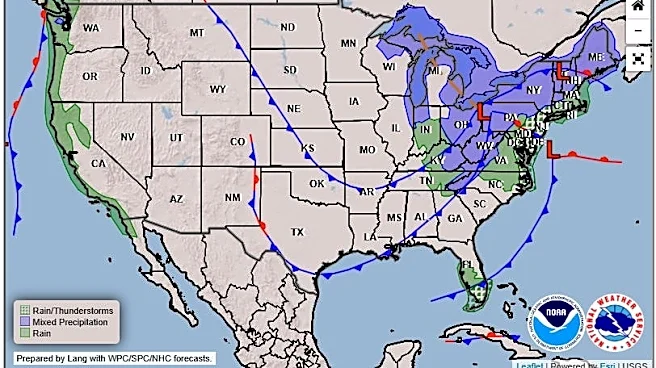
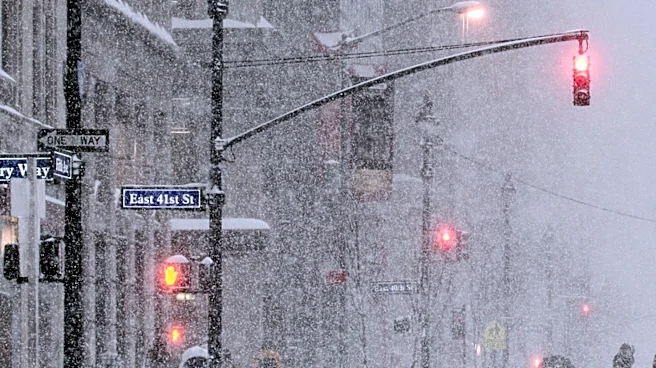
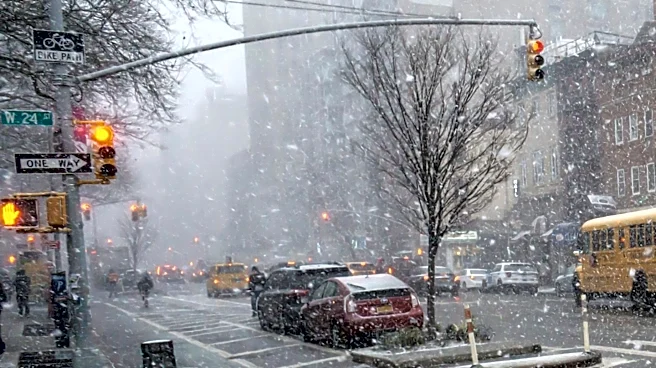
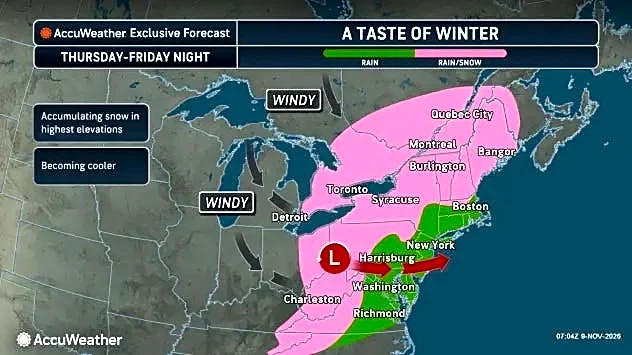
The National Weather Service forecasts potential rainfall in the southern Plains, though the system's impact might be limited. A potential Nor'easter is being monitored, which could affect areas from Pennsylvania to southern New England. Conversely, the northern Plains and Southeastern U.S. are expected to remain mostly dry. Temperatures are predicted to be normal to above normal in the central U.S., while the eastern half of the country may experience cooler temperatures. These weather patterns will be crucial in determining the future trajectory of drought conditions and their impact on agricultural production and water resources across different regions of the U.S.
Beyond the Headlines
The persistent and varied drought conditions underscore the increasing challenges posed by climate variability to U.S. agricultural resilience. The localized nature of drought relief and intensification highlights the need for region-specific water management strategies and adaptive farming practices. Long-term shifts in precipitation patterns could necessitate significant investments in irrigation infrastructure, drought-resistant crop development, and water conservation technologies. The economic ripple effects of prolonged drought, from farm-level losses to potential increases in consumer prices, could also prompt policy discussions on agricultural subsidies, disaster relief, and climate change mitigation efforts to safeguard food security and economic stability.