




What's Happening?
U.S. Senators Roger Wicker (R-Miss.) and Ben Ray Luján (D-N.M.) have jointly introduced the bipartisan Stealth Bot Prohibition Act (S.5766). This legislation targets automated web crawlers, specifically 'stealth bots,' which are disguised web crawlers used
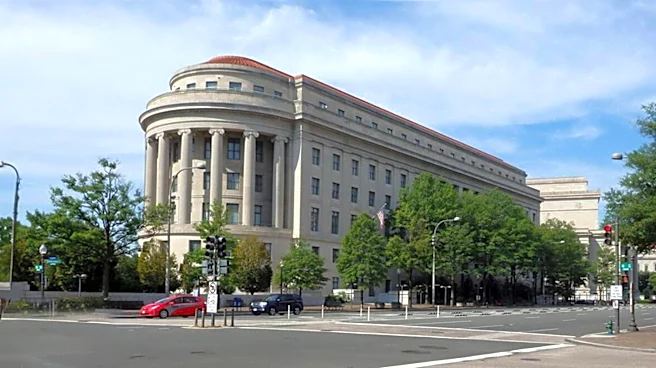
by malicious actors to steal protected online content, evade paywalls, scrape information, and overwhelm websites. The bill aims to address the growing problem of these advanced bots being exploited to harm online producers, including local newspapers and journalists, and to train AI models without authorization. The proposed act would mandate that bots disclose their identities and purposes when accessing websites. Enforcement of these new transparency standards would fall under the purview of the Federal Trade Commission (FTC), and state attorneys general would also be empowered to take action against violations. The legislation has garnered support from various media organizations, including the New Mexico Press Association, the News/Media Alliance, and the Association of American Publishers.
Why It's Important?
The Stealth Bot Prohibition Act is significant because it addresses a critical and evolving threat to intellectual property and the economic viability of online content creators, particularly news organizations. The proliferation of stealth bots that scrape content and bypass paywalls directly undermines revenue streams for publishers, impacting their ability to produce quality journalism and maintain online services. By requiring transparency from bots, the bill aims to give website owners the necessary tools to identify and block malicious automated traffic, thereby protecting their content and digital infrastructure. This legislation acknowledges the rapid advancement of artificial intelligence and seeks to establish accountability for those who misuse technology to exploit copyrighted material. The bipartisan nature of the bill underscores a broad recognition of the problem, and its endorsement by media organizations highlights the industry's urgent need for such protections in the digital marketplace.
What's Next?
The Stealth Bot Prohibition Act will now proceed through the legislative process in Congress, where it will be subject to committee review, potential amendments, and votes in both the Senate and the House. If enacted, the Federal Trade Commission (FTC) would be responsible for developing and implementing regulations to enforce the new transparency standards for bots. This would likely involve defining what constitutes adequate disclosure of a bot's identity and purpose and establishing mechanisms for website owners to report non-compliant bots. State attorneys general would also gain new authority to pursue legal action against violations, potentially leading to a multi-pronged enforcement approach. Media organizations and online content providers would likely leverage the new legal framework to protect their intellectual property and combat unauthorized scraping, which could lead to legal challenges and precedents being set regarding bot behavior and online content usage.
Beyond the Headlines
The Stealth Bot Prohibition Act delves into deeper implications concerning the future of intellectual property rights in the age of artificial intelligence and automated web activity. Ethically, it raises questions about fair use, content ownership, and the responsible development of AI models that rely on vast datasets often scraped from the internet. Legally, the bill could establish new precedents for digital property rights and the liabilities of entities deploying bots for data collection. It also highlights the ongoing tension between open access to information and the need to protect creators' economic interests. Culturally, the legislation reflects a growing societal concern about the unchecked power of automated systems and the potential for technology to be used for exploitative purposes. The bill's success could influence how future AI development is regulated, pushing for greater transparency and accountability in data acquisition practices, and potentially reshaping the digital ecosystem for content creation and consumption.