
What's Happening?
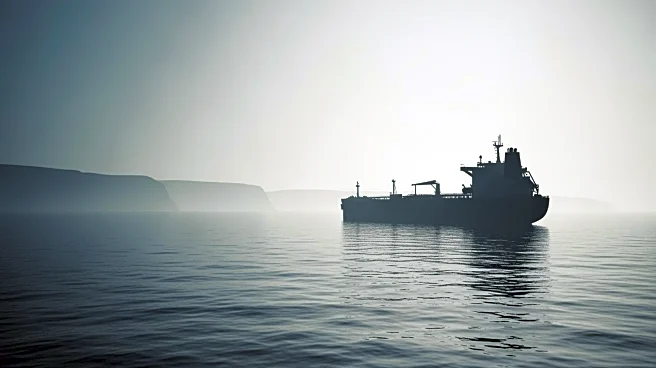
The United States is preparing to remove the captain and first officer of the Russian-flagged oil tanker Marinera from UK waters, according to a court hearing. The vessel was seized by the U.S. south of Iceland
and brought to the coast of Moray, Scotland. The captain's wife, Natia Dzadzama, sought legal intervention to prevent the removal, citing European human rights law. However, the court ruled it lacked the authority to stop the U.S. action due to the 1978 State Immunity Act. The U.S. accuses the Marinera of breaching sanctions by transporting oil for Venezuela, Russia, and Iran. The UK government supported the operation, while Russia condemned the seizure, demanding the crew's proper treatment.
Why It's Important?
This incident highlights the complexities of international maritime law and the enforcement of sanctions. The U.S. action underscores its commitment to enforcing sanctions against countries like Venezuela, Russia, and Iran, which could strain diplomatic relations. The legal proceedings in Scotland reflect the challenges of balancing national sovereignty with international legal obligations. The case also raises concerns about the treatment of foreign nationals under U.S. jurisdiction and the potential for diplomatic disputes between involved nations.
What's Next?
The U.S. is expected to proceed with the removal of the captain and first officer, potentially leading to further legal challenges or diplomatic protests from Russia. The situation may prompt discussions on the adequacy of current international maritime laws and the enforcement of sanctions. The UK and Scottish governments may face scrutiny over their roles in the operation, and there could be calls for clearer guidelines on handling similar incidents in the future.