








What's Happening?
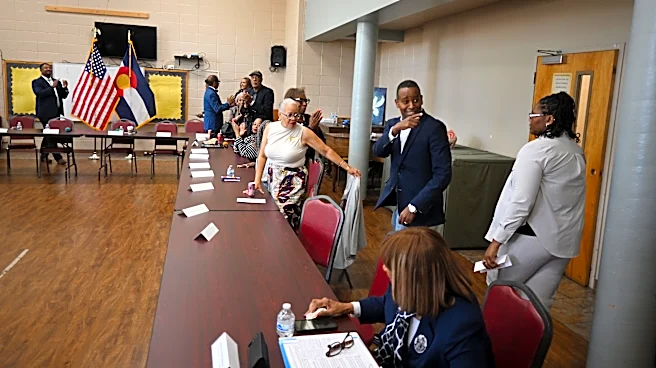
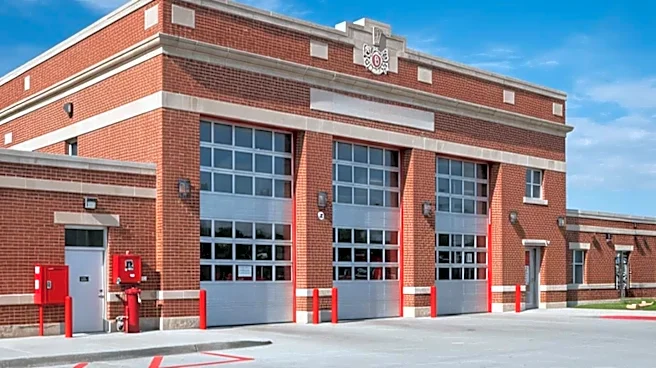
During the October 19 Chelsea City Council meeting, Interim City Manager Marc Thompson informed the council about upcoming agenda items, which included a financial audit by Plante & Moran. The meeting also covered other significant city matters, such
as a review of the Chelsea Area Fire Authority lease and an amendment to the Notice of Intent to Issue Bonds. The council approved several items on its consent agenda, including the September 28 meeting minutes, payment of bills, and the quarterly financial report. Key decisions made during the meeting included expanding the Deer Management Committee to appoint all 10 applicants, accepting the Human Rights Commission’s annual report, and approving an access agreement with Federal Screw Works for environmental testing on the Holmes Family Park property. Additionally, the council adopted Resolution #2026-44, granting local government approval for a tasting room for Manchester Brewing, and approved the purchase of four Prolec three-phase pad-mount transformers for the Electric Department. Contracts with Security Pros totaling $39,589.66 for automated bathroom locks and security cameras were also approved.
Why It's Important?
The upcoming financial audit by Plante & Moran is a critical component of maintaining transparency and accountability in Chelsea's city government. Such audits provide an independent review of the city's financial statements, ensuring that public funds are managed responsibly and in compliance with regulations. This process helps to build public trust in local governance and can identify areas for financial improvement or potential discrepancies. For residents and taxpayers, the audit offers assurance that their money is being used effectively. The other decisions made by the council, such as expanding the Deer Management Committee and approving infrastructure contracts, reflect ongoing efforts to address community needs and improve city services. These actions collectively impact the quality of life for Chelsea residents, from public safety and environmental concerns to local economic development through initiatives like the Manchester Brewing tasting room approval.
What's Next?
The Plante & Moran financial audit is expected to proceed as noted by Interim City Manager Marc Thompson. The findings of this audit will likely be presented to the Chelsea City Council in a future meeting, potentially leading to discussions on financial strategies, budget adjustments, or policy changes based on the audit's recommendations. The review of the Chelsea Area Fire Authority lease and the amendment to the Notice of Intent to Issue Bonds are also pending items that will require further council attention and decision-making. The newly expanded Deer Management Committee will begin its work, with its first meeting anticipated soon, to address local deer population issues. Manchester Brewing will continue with its application to the Michigan Liquor Control Commission following the local approval for its tasting room. The various approved contracts for infrastructure and security will move forward, leading to the implementation of sidewalk replacements, transformer purchases, and security system installations, which will directly impact city operations and public facilities.
Beyond the Headlines
The routine mention of a financial audit by a firm like Plante & Moran underscores the continuous oversight required for municipal financial health. Beyond simply verifying numbers, these audits can influence long-term fiscal planning and resource allocation, potentially impacting future tax rates, public services, and infrastructure projects. The council's decision to expand the Deer Management Committee, rather than adhering to the initial seven-member limit, highlights a commitment to broader community engagement and diverse perspectives in addressing local issues. This approach can foster greater public buy-in and more comprehensive solutions. The approval of a tasting room for Manchester Brewing, while seemingly a small item, reflects a broader trend in local governments supporting small businesses and craft industries, which can contribute to local tourism and economic vitality. These seemingly disparate actions collectively illustrate the multifaceted responsibilities of local government in balancing financial prudence, community involvement, and economic development.