



What's Happening?
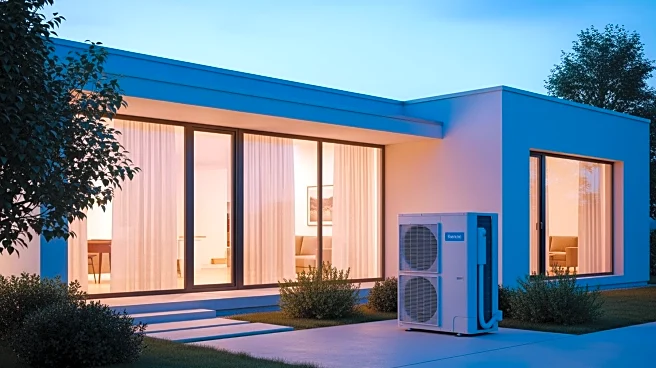
The Oregon Building Code Division's Residential and Manufactured Structures Board has approved updates to the state's residential energy code, mandating the use of energy-efficient heat pumps in new homes instead of traditional ducted air conditioning
systems. This decision is part of the 2026 Oregon Residential Specialty Code and aims to significantly reduce energy costs for residents. An analysis by the Building Code Division suggests that these changes will save residents an average of $125 per month and over $1,700 annually on energy bills. The updates are designed to enhance comfort and affordability, aligning with Oregon's energy and climate goals. The Oregon Department of Energy and various building professionals and climate organizations have expressed support for these changes, highlighting their potential to improve housing affordability and reduce pollution.
Why It's Important?
The adoption of these new building codes is a critical step in addressing Oregon's growing energy burden, as energy bills have increased by approximately 50% since 2020. By requiring energy-efficient heat pumps, the state aims to lower energy costs and improve the resilience of newly constructed homes. This move is expected to benefit both builders and homeowners by implementing proven technologies that reduce energy use and costs. The code update also aligns Oregon's building standards with those of neighboring states like California and Washington, supporting a regional transition away from fossil fuels. This initiative is part of a broader strategy to achieve reliable, affordable, and clean energy, contributing to the state's decarbonization and resilience goals.
What's Next?
As the new building codes take effect, Oregon will likely see a gradual shift in construction practices towards more energy-efficient homes. Builders and developers will need to adapt to these requirements, potentially leading to increased demand for heat pump technology and related expertise. The state may also monitor the impact of these changes on energy consumption and costs, providing data to further refine energy policies. Additionally, the success of this initiative could influence other states to adopt similar measures, promoting a wider adoption of energy-efficient building practices across the region.
Beyond the Headlines
The implementation of energy-efficient building codes in Oregon highlights a growing trend towards sustainable construction practices. This shift not only addresses immediate economic concerns but also contributes to long-term environmental goals by reducing reliance on fossil fuels. The emphasis on heat pumps, which provide both heating and cooling, reflects a broader move towards electrification in building systems. This transition could lead to significant reductions in greenhouse gas emissions, supporting global efforts to combat climate change. Furthermore, the focus on energy efficiency may drive innovation in building technologies, fostering economic growth and job creation in the green energy sector.