




What's Happening?
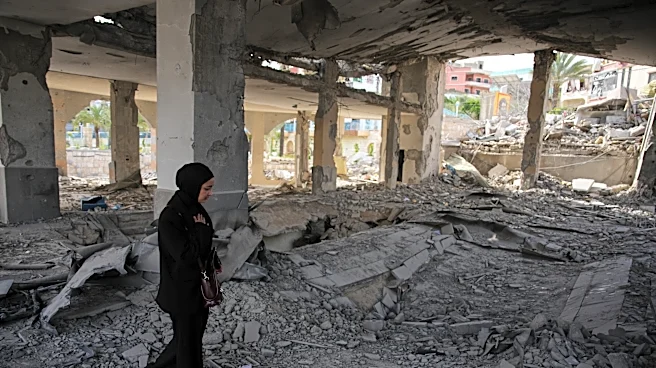
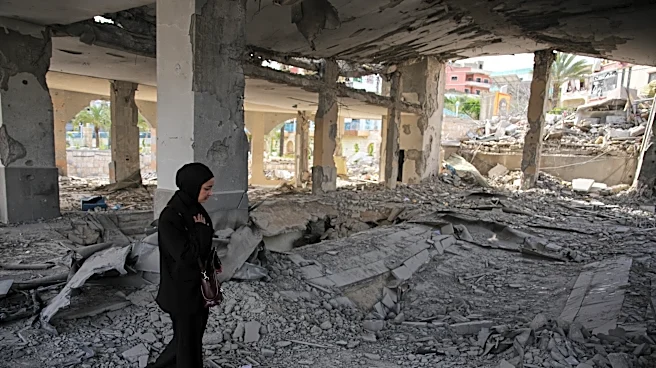
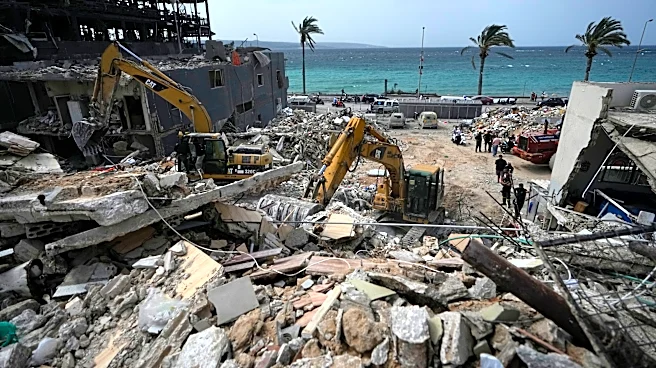
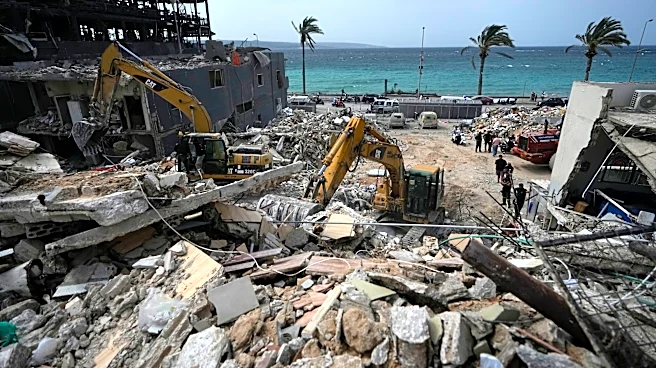
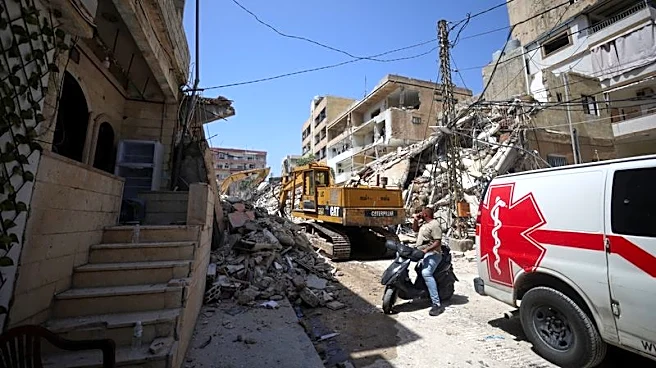
Israel's military has issued warnings to Lebanese civilians against returning to villages in southern Lebanon, citing Hezbollah's violations of a ceasefire agreement. Thousands of displaced residents have begun returning since the truce took effect. Meanwhile,
Iran executed two men linked to Israel's spy agency, and tensions continue with incidents involving Israeli soldiers and religious symbols. The conflict has led to economic impacts, including surging oil prices due to Iran's actions in the Strait of Hormuz.
Why It's Important?
The ongoing conflict in the Middle East has significant implications for regional stability and international relations. The warnings to Lebanese civilians highlight the fragile nature of the ceasefire and the potential for further escalation. Economic repercussions, such as fluctuating oil prices, affect global markets and underscore the interconnectedness of geopolitical events. The situation poses challenges for diplomatic efforts, with potential impacts on U.S. foreign policy and international peace negotiations.
What's Next?
The fragile ceasefire may lead to increased diplomatic efforts to stabilize the region. Monitoring of Hezbollah's activities and their impact on civilian areas will be crucial. Economic stakeholders will continue to assess the impact of the conflict on global markets, particularly in the energy sector. The international community may seek to mediate and enforce peace agreements, with potential involvement from major powers.