






What's Happening?
Property taxes have increased across major metropolitan areas in the United States between 2023 and 2024, adding financial pressure on homeowners already dealing with high mortgage rates and housing prices. According to LendingTree, median property taxes rose
to $3,119 annually in 2024, marking a 5.1% increase from the previous year. Homeowners with mortgages faced even higher costs, paying an estimated $3,489 annually. The highest median property taxes were recorded in New York City, San Jose, and San Francisco, while Birmingham, Alabama, had the lowest. Despite regional differences, the trend of rising property taxes is consistent nationwide, with relief efforts remaining uncertain as reform proposals have stalled in several states.
Why It's Important?
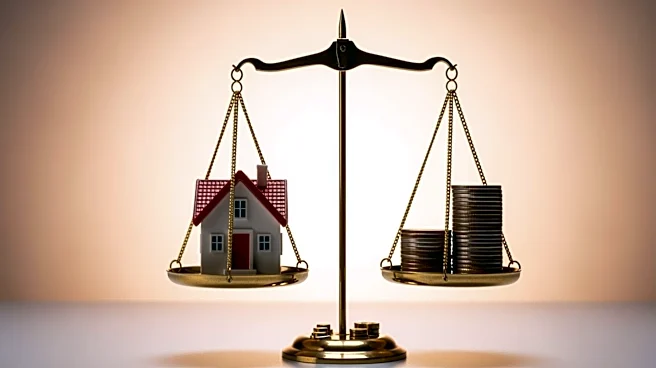
The increase in property taxes is significant as it exacerbates the financial burden on homeowners, particularly those with mortgages. This trend highlights the lag in property tax assessments compared to market trends, leaving many paying for pandemic-era price surges. The rising costs can stretch household budgets thin, especially in markets where home values have outpaced income growth. This situation may lead to a scenario where homeowners feel 'house-rich but cash-poor,' impacting their financial stability and potentially affecting the housing market dynamics as fewer people can afford to buy homes.
What's Next?
If property tax reform proposals continue to stall, homeowners may face ongoing financial strain, potentially leading to increased calls for legislative action. The disparity in tax burdens across different regions could prompt further discussions on equitable tax policies. Additionally, as property taxes continue to rise, there may be a push for more comprehensive assessments that better reflect current market conditions, potentially influencing future housing market trends.