



What's Happening?
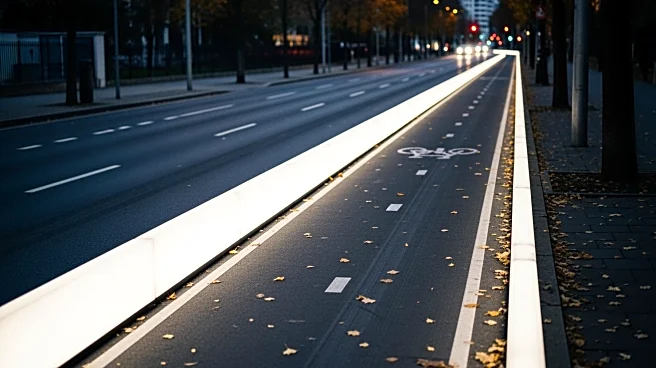
In Chicago, the installation of concrete protected bike lanes on Archer Avenue has sparked a significant community debate. For ten weeks, supporters and opponents have gathered at a busy intersection in Brighton Park to express their views. While some
residents, including transit advocacy groups, support the lanes for enhancing safety and reducing traffic accidents, others oppose them, citing concerns about their effectiveness and impact on traffic flow. The project aims to make Archer Avenue safer for all users, including cyclists, pedestrians, and drivers, but has faced mixed reactions from the community.
Why It's Important?
The debate over the bike lanes reflects broader issues of urban planning and transportation policy in Chicago. It highlights the challenges cities face in balancing the needs of different road users while promoting safety and sustainability. The project is part of a larger effort to reduce car dependency and encourage alternative modes of transportation, which could have significant implications for urban development and environmental sustainability. The outcome of this debate could influence future infrastructure projects and policies aimed at creating more livable and accessible urban environments.
What's Next?
As the project progresses, city officials and community leaders will need to address the concerns of both supporters and opponents. This may involve further community engagement and adjustments to the project to ensure it meets the needs of all stakeholders. The completion of the bike lanes is expected later this spring, and its impact on traffic safety and community dynamics will be closely monitored. The results could inform future transportation initiatives and contribute to ongoing discussions about urban mobility and sustainability.
Beyond the Headlines
The controversy also raises questions about equity and access in urban planning. Ensuring that infrastructure projects benefit all community members, including marginalized groups, is crucial for fostering inclusive and equitable cities. The debate over the bike lanes underscores the importance of considering diverse perspectives and needs in the planning process, which can lead to more effective and just outcomes.