






What's Happening?
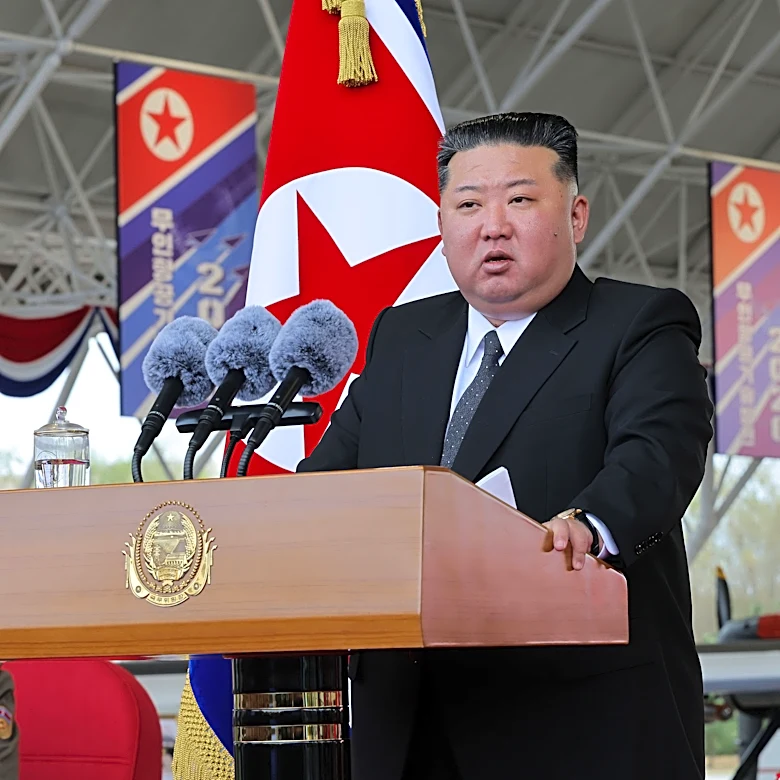
North Korea is grappling with a significant kimchi shortage, primarily due to a poor harvest of radishes and napa cabbage in 2026. This shortfall is exacerbated by a national agricultural policy shift initiated by Kim Jong Un in late 2021, which prioritized
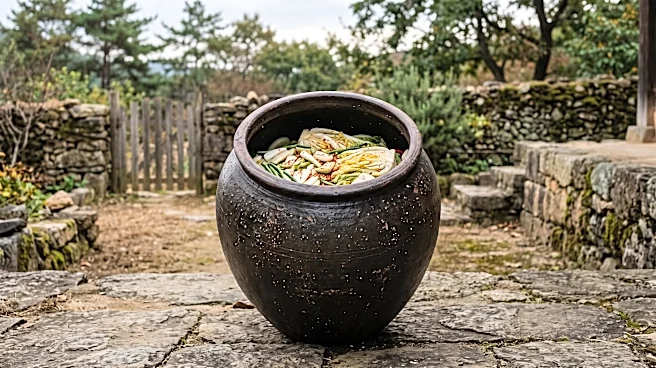
wheat and barley production over traditional kimchi ingredients. Collective farms have expanded acreage for these grains, sometimes converting fields previously used for radishes and cabbage. The shortage is particularly acute in industrial areas like Pyongsong, Sunchon, Kaechon, Pukchang, and Anju, where residents rely on external food sources. Prices for radishes and cabbage have approximately doubled since January, placing a heavy financial burden on families preparing for 'kimjang,' the annual kimchi-making ritual essential for winter sustenance. This situation highlights a systemic issue where agricultural planning prioritizes state targets over the actual dietary needs of the populace.
Why It's Important?
The kimchi shortage is critical because kimchi is a staple food in North Korea, often referred to as 'half a year's food,' providing essential nutrition through the long winter months. This scarcity directly impacts the food security and overall well-being of ordinary North Koreans, particularly those in vulnerable industrial regions. The situation exposes flaws in the country's agricultural policy, where a focus on fulfilling central plans for wheat and barley has inadvertently undermined the production of other vital crops. This imbalance suggests a disconnect between top-down agricultural directives and the practical needs of the population, potentially leading to widespread malnutrition and increased hardship. The rising prices of basic ingredients further strain household budgets already struggling with a prolonged economic crisis, intensifying the humanitarian concerns within the country.
What's Next?
The immediate future will likely see continued hardship for North Korean families as they struggle to afford or find sufficient kimchi ingredients for the winter. The government may face internal pressure to address the food supply issues, potentially leading to adjustments in agricultural policy or emergency food distributions, though such measures are often insufficient. The situation could also prompt further scrutiny from international human rights organizations, highlighting North Korea's failure to uphold its citizens' right to food, as outlined in the International Covenant on Economic, Social and Cultural Rights. Long-term, there may be a need for North Korea to re-evaluate its agricultural priorities, allowing more flexibility for local farms to cultivate crops based on regional conditions and market demand, rather than solely adhering to central production quotas.
Beyond the Headlines
This kimchi shortage transcends a simple agricultural problem, revealing deeper systemic issues within North Korea's command economy and its impact on human rights. The emphasis on 'loyalty competition' among officials to overfulfill state targets often comes at the expense of meeting the basic needs of the population. This incident underscores the ethical dilemma of a state prioritizing political objectives and centralized planning over the fundamental right to food for its citizens. It also highlights the vulnerability of a closed society to internal policy missteps and external factors like erratic weather, without the adaptive mechanisms of a market-driven economy. The ongoing struggle for food security in North Korea serves as a stark reminder of the human cost when state plans override individual welfare and basic human dignity.