





What's Happening?
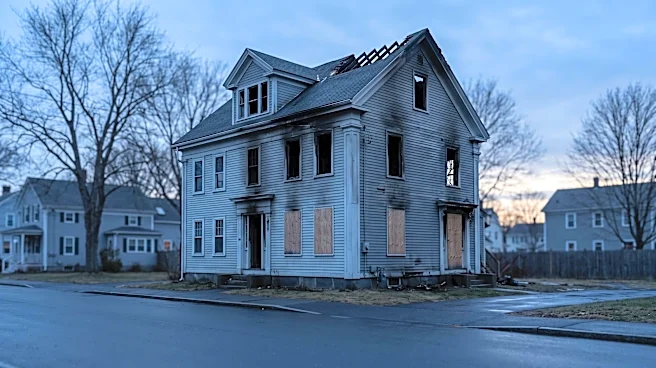
Nestor Roman, a New Hampshire man, is facing multiple felony charges after allegedly stealing a rescue truck from the scene of a fire that destroyed his own home in Dalton. The incident occurred early Tuesday morning when a fire gutted Roman's residence.
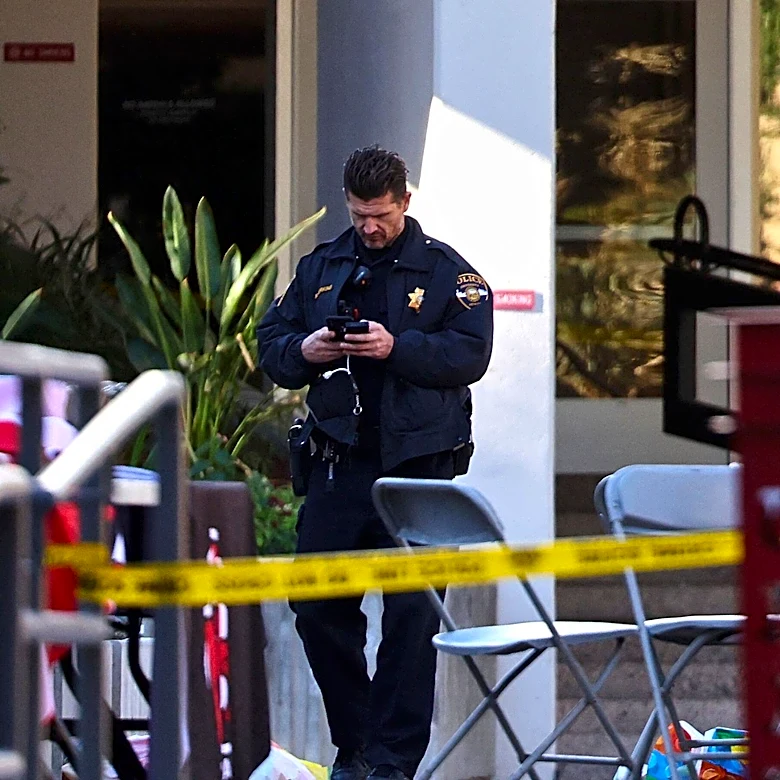
While fire crews, including Dalton Fire Chief Ron Sheltry, were working to extinguish the blaze, Roman reportedly entered one of the rescue vehicles and drove off. New Hampshire State Police Lieutenant Chris Ladd stated that Roman rammed at least one other fire truck during his departure. Troopers, who were already en route, located Roman a couple of miles away attempting to enter another residence and took him into custody. Roman is charged with reckless conduct with a deadly weapon, felony theft, burglary, and resisting arrest. The New Hampshire State Fire Marshal’s Office is investigating the cause of the fire.
Why It's Important?
This incident highlights significant risks to emergency responders and public safety. The alleged theft and reckless operation of a rescue vehicle during an active fire not only diverted critical resources but also endangered the lives of firefighters and other personnel. According to NHSP Lt. Chris Ladd, Roman's actions were more dangerous than the fire itself, as other vehicles were hit and firefighters were in the direct path of the stolen truck. Such events can undermine the efficiency and safety of emergency operations, potentially delaying aid to those in need and increasing the danger for first responders. The charges Roman faces underscore the severity with which authorities view actions that impede emergency services and threaten public safety during critical incidents.
What's Next?
Nestor Roman is scheduled to appear before a judge on Wednesday in Lancaster to face the charges of reckless conduct with a deadly weapon, felony theft, burglary, and resisting arrest. The New Hampshire State Fire Marshal’s Office will continue its investigation into the cause of the fire that destroyed Roman's home. The legal proceedings will determine the consequences for Roman's alleged actions, which could include significant penalties given the felony nature of the charges and the danger posed to emergency personnel. This case may also prompt a review of security protocols for emergency vehicles at incident scenes to prevent similar occurrences in the future.
Beyond the Headlines
The incident raises questions about the psychological impact of losing one's home and how such distress might contribute to erratic or dangerous behavior. While not excusing the alleged actions, the context of Roman's home being destroyed by fire could be a factor explored in understanding the events. Beyond the immediate legal ramifications, this event could spark discussions within emergency services about the need for enhanced security measures for their equipment, particularly in chaotic and high-stress environments like active fire scenes. It also underscores the broader societal challenge of ensuring public cooperation and safety during emergency operations, where the actions of individuals can significantly impact the effectiveness and safety of professional responders.