


What's Happening?
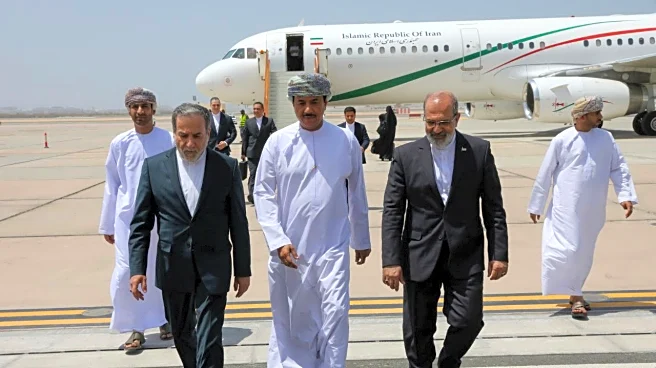
Israel is bracing for limited prospects of a successful outcome as the United States and Iran confirm nuclear-only talks in Oman. The talks, set to begin on Friday, have prompted Israel to convene its political and security Cabinet to assess the implications
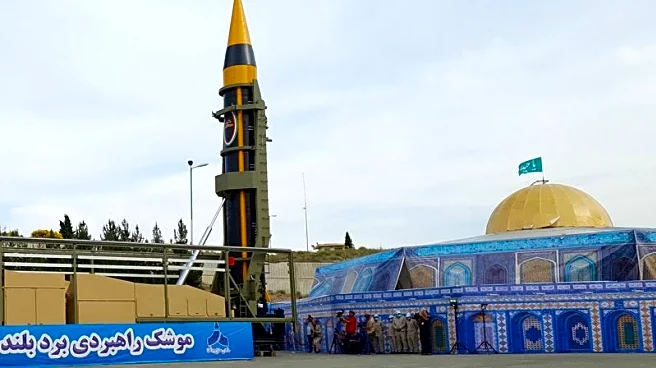
for national security. Iran has insisted that the negotiations focus solely on nuclear issues, excluding discussions on missiles or regional activities, which has heightened Israeli concerns. The confirmation of the talks follows a period of uncertainty and diplomatic maneuvering, with pressure from Arab and Muslim leaders playing a role in resuming the dialogue.
Why It's Important?
The talks represent a critical juncture in US-Iran relations, with potential consequences for regional stability and security. For Israel, the exclusion of missile and regional issues from the agenda is a significant concern, as these elements are seen as integral to Iran's strategic capabilities. The outcome of the talks could influence Israel's security posture and its approach to regional diplomacy. Additionally, the talks highlight the complex interplay of international diplomacy, with various stakeholders seeking to influence the negotiations and their outcomes.
What's Next?
As the talks proceed, Israel will likely continue to engage in diplomatic efforts to ensure its security concerns are addressed. The Israeli government may also consider military and intelligence measures to counter potential threats from Iran's missile program and regional activities. The international community will be watching closely for any shifts in US policy or Iranian concessions that could impact the broader geopolitical landscape. The talks could also serve as a catalyst for further diplomatic initiatives aimed at addressing the underlying tensions in the Middle East.