





What's Happening?
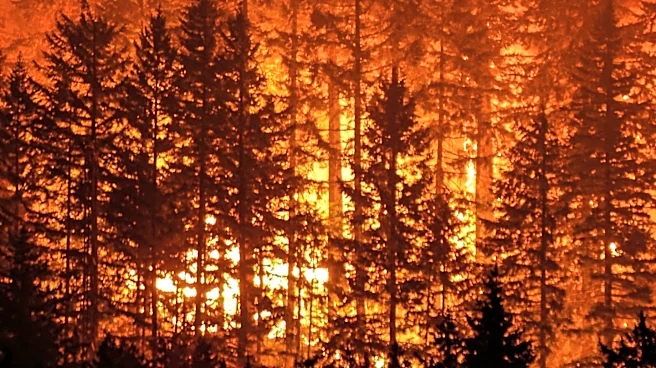
In response to the destruction caused by the Cottonwood Fire in Beaver, Utah, local political leaders are advocating for the passage of the Fix Our Forests Act. The fire, which resulted in significant damage and flooding, has highlighted the need for improved
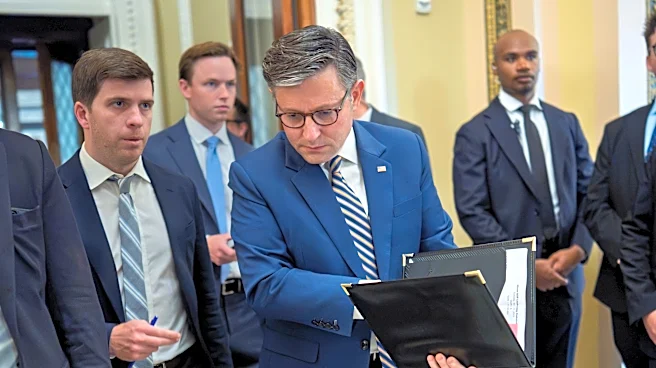
forest management practices. Arkansas Rep. Bruce Westerman and Utah Rep. Celeste Maloy visited the affected areas, emphasizing the importance of thinning forests and conducting controlled burns to prevent catastrophic fires. The bill has bipartisan support in the House but faces delays in the Senate. Some environmental groups have expressed concerns about the bill's potential impact on logging and ecosystems.
Why It's Important?
The Fix Our Forests Act represents a significant effort to address the increasing frequency and intensity of wildfires in the U.S. By implementing forest management strategies, the bill aims to protect communities and reduce the economic costs associated with wildfire damage. The legislation's progress is crucial for areas like Utah, where wildfires pose a recurring threat. The debate surrounding the bill also reflects broader tensions between environmental conservation and resource management, with potential implications for national forest policy and rural economies.
What's Next?
The bill's future depends on overcoming legislative hurdles in the Senate, where it faces scrutiny from various stakeholders. Proponents will need to address environmental concerns and build broader support to ensure its passage. The outcome will influence future forest management policies and could lead to increased federal and local collaboration in wildfire prevention efforts. Continued advocacy from Utah leaders and affected communities will be essential in driving the bill forward.