





What's Happening?
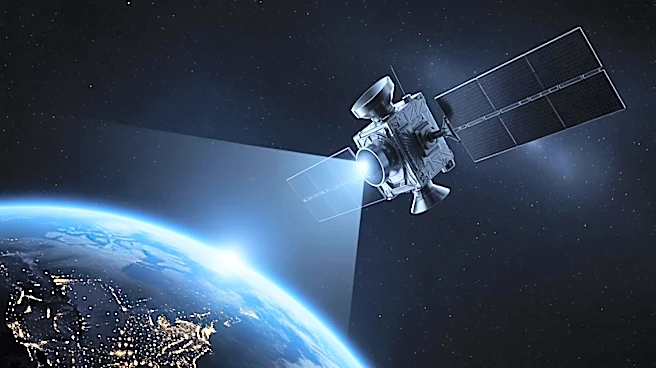
The U.S. Space Force is significantly increasing its focus on space mobility and orbital warfare capabilities as part of its 15-year Objective Force plan. This shift comes amid a proposed budget increase to over $71 billion by fiscal 2027. The Space Force is working
closely with U.S. Space Command to explore technologies such as on-orbit refueling and space tugs, which are expected to enhance maneuverability and logistics in space. The plan includes demonstrating these capabilities between 2025 and 2030, with further advancements expected by 2040. This initiative aims to address potential threats to U.S. space capabilities by developing maneuverable and serviceable platforms.
Why It's Important?
The expansion of the Space Force's capabilities is crucial for maintaining U.S. dominance in space, particularly as other nations develop their own space technologies. The focus on mobility and logistics could provide the U.S. with strategic advantages in orbital warfare, allowing for more flexible and resilient space operations. This development is also significant for the defense industry, as companies like Lockheed Martin and BAE Systems are investing in related technologies, potentially leading to new contracts and innovations. The increased budget reflects the growing importance of space in national defense strategies.
What's Next?
The Space Force will continue to collaborate with U.S. Space Command on war games and simulations to refine its strategies. The integration of the Space Development Agency into broader acquisition offices is expected to streamline procurement processes. As the Space Force implements its Objective Force plan, it will likely face scrutiny from policymakers and defense analysts regarding the effectiveness and cost-efficiency of these new capabilities. The success of these initiatives could influence future defense budgets and the strategic direction of U.S. space operations.