
What's Happening?
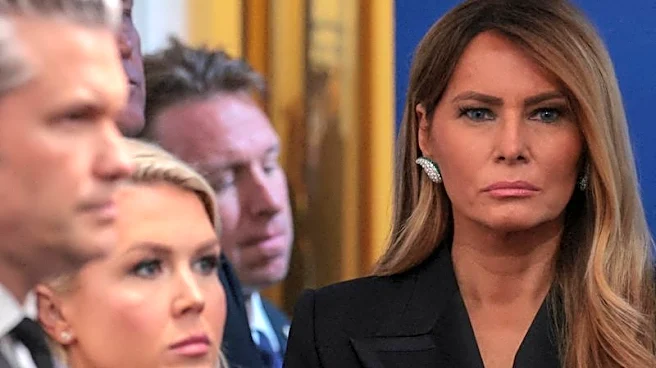
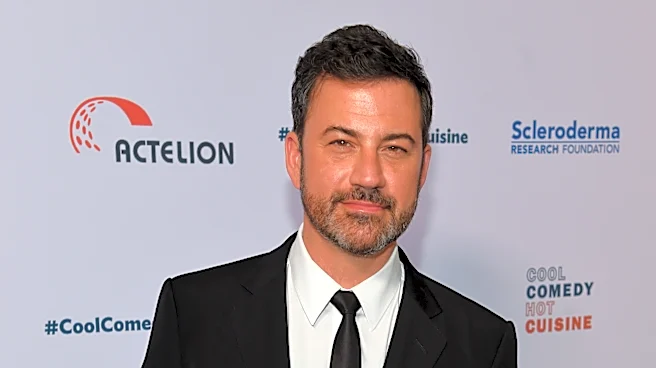
Texas Senator Ted Cruz has publicly criticized the Trump administration's attempts to pressure Disney and ABC News into firing late-night host Jimmy Kimmel. The controversy arose after Kimmel made a joke
about First Lady Melania Trump during a parody roast, which led to President Trump and the First Lady demanding Kimmel's removal from the air. In response, FCC Chair Brendan Carr has called for ABC to file for license renewals, suggesting potential punitive actions if the network is found not to be operating in the public interest. Cruz, who has previously defended Kimmel, stated that it is not the government's role to censor speech and criticized the FCC's actions as overreach.
Why It's Important?
This situation highlights ongoing tensions between media freedom and government influence in the United States. The Trump administration's actions against Kimmel raise concerns about potential overreach and the use of regulatory bodies like the FCC to suppress dissenting voices. The outcome of this conflict could set a precedent for how media companies navigate political pressures and maintain editorial independence. It also underscores the broader debate over free speech and the role of government in regulating media content, which could have significant implications for the entertainment industry and public discourse.
What's Next?
Disney has expressed confidence in its compliance with FCC regulations and is prepared to defend its position through legal channels. The situation may lead to further legal battles over media regulation and the limits of government intervention. Stakeholders in the media industry will be closely watching the developments, as the outcome could influence future interactions between media companies and government entities. Additionally, public and political reactions to this case may shape future policy discussions on media freedom and government oversight.