


What's Happening?
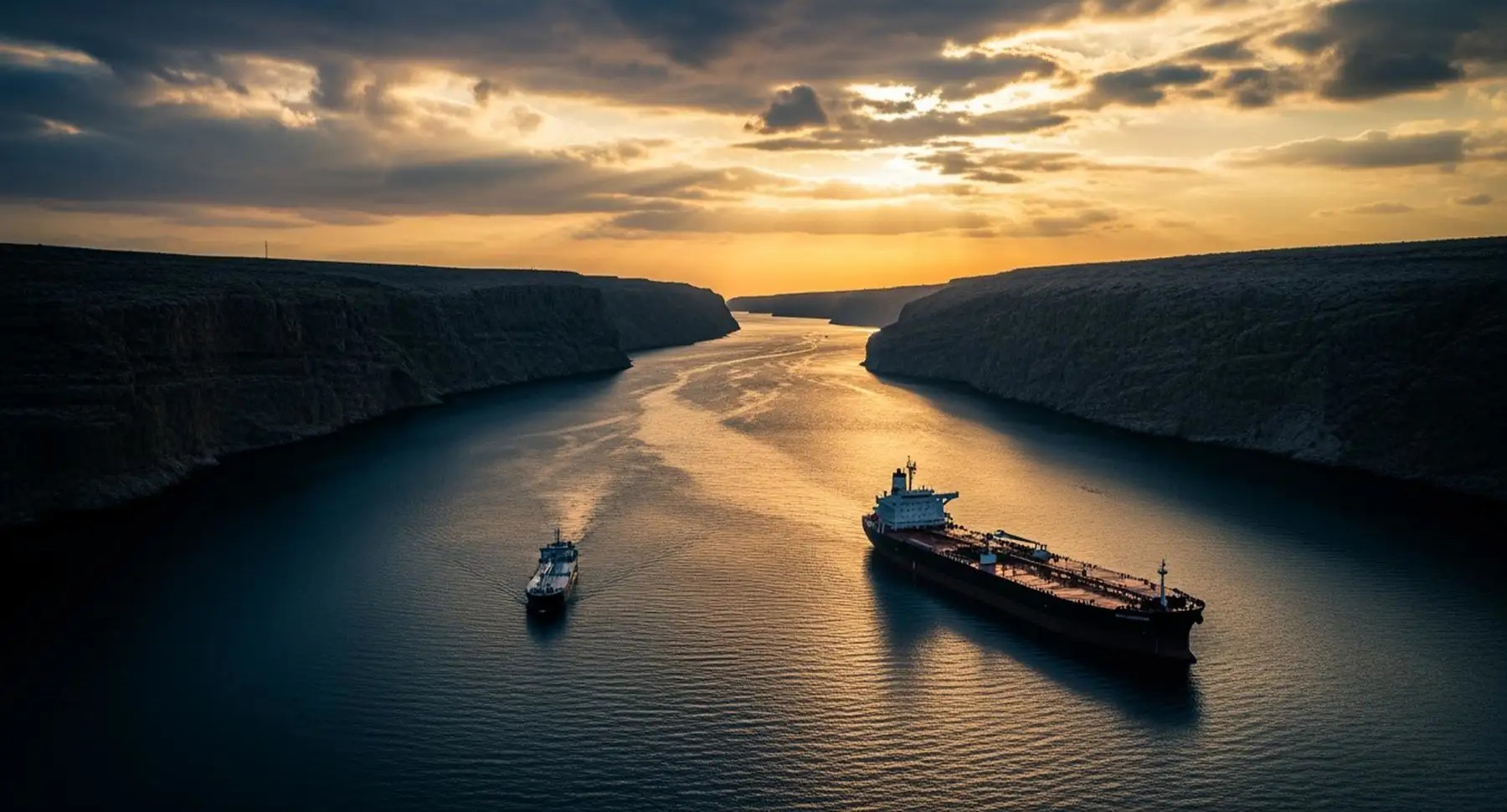
Iran has declared the Strait of Hormuz closed, reversing previous statements and escalating tensions with the United States. Reports indicate that Iranian forces fired upon several vessels, including a containership, a tanker, and a cruise ship, as they
attempted to navigate the strait. The UK Maritime Trade Operations (UKMTO) confirmed incidents of projectiles striking ships, though no injuries were reported. This development follows accusations by Iran that the U.S. violated a ceasefire agreement, prompting Iran to assert control over the strait and demand inspections and tolls for passage.
Why It's Important?
The closure of the Strait of Hormuz, a critical chokepoint for global oil shipments, has significant implications for international trade and energy markets. The strait's closure could disrupt oil supplies, leading to increased prices and economic instability. The situation also heightens geopolitical tensions in the region, with potential repercussions for global security and diplomatic relations. The U.S. and its allies may need to respond to ensure the free flow of commerce, while Iran's actions could further isolate it on the international stage.
What's Next?
Negotiations between the U.S. and Iran are reportedly scheduled to resume, with hopes of de-escalating the situation. However, the potential for further conflict remains, particularly if Iran continues to enforce its closure of the strait. The international community will likely increase diplomatic efforts to resolve the crisis, while monitoring the impact on global oil markets. The outcome of these negotiations could have lasting effects on regional stability and international relations.