



What's Happening?
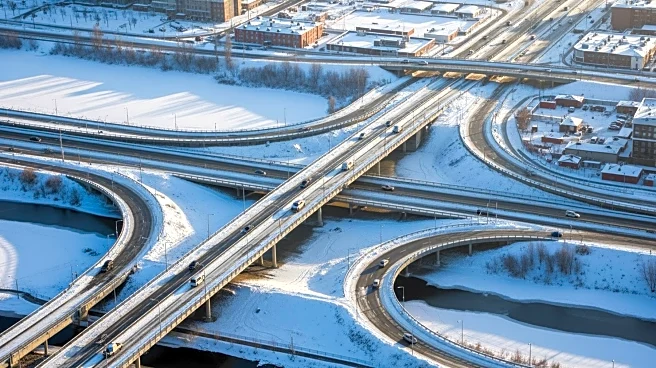
NASA's Terra satellite, equipped with the Moderate Resolution Imaging Spectroradiometer (MODIS), captured images of Hokkaido, Japan, showcasing the island's snow-covered landscapes. Hokkaido, known for its heavy snowfall, experienced a particularly disruptive
winter in 2026. The island, home to some of the snowiest cities globally, including Sapporo, faced intense storms in January and February. These storms severely affected transportation, leading to the closure of airports, road blockages, and train suspensions. The satellite imagery also highlighted the island's geographical features, such as its active volcanoes and caldera lakes, and the sea ice patterns in the Sea of Okhotsk.
Why It's Important?
The severe winter conditions in Hokkaido underscore the challenges faced by regions prone to heavy snowfall, particularly in maintaining infrastructure and transportation systems. The disruptions caused by the storms highlight the need for robust emergency response strategies and infrastructure resilience in similar climates. For the U.S., understanding these impacts can inform preparedness and response strategies in its own snow-prone regions, potentially influencing policy and investment in infrastructure resilience. Additionally, the data from NASA's satellite provides valuable insights into climate patterns and their effects on different regions, contributing to broader climate research and policy development.