





What's Happening?
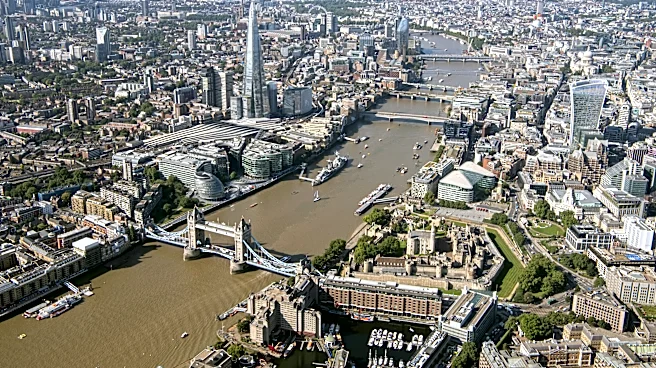
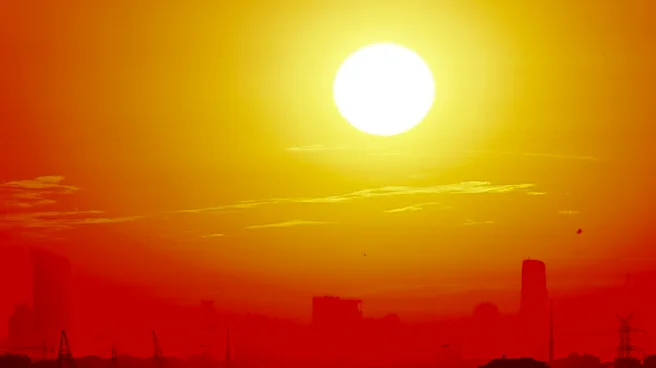
London is facing significant financial challenges due to rising temperatures, as highlighted by Mayor Sadiq Khan. The city experienced its first 40°C heatwave in 2022, which resulted in a financial impact of £1.5 billion ($2 billion). A report from the
Mayor's office indicates that around 1 million homes in London are at high risk of overheating, with costs estimated between £9 billion and £45 billion to make these homes more resilient. The city plans to seek private investment to fund necessary upgrades to cope with future heatwaves. The report was released during London Climate Action Week, where attendees faced extreme heat conditions, leading to event cancellations and record emergency calls.
Why It's Important?
The financial implications of rising temperatures in London underscore a broader global challenge of adapting urban environments to climate change. The need for substantial investment in infrastructure to mitigate heat risks highlights the economic burden cities face. This situation is not unique to London and serves as a warning to other major cities worldwide, including those in the U.S., about the potential costs of inaction. The emphasis on private investment suggests a shift towards public-private partnerships in addressing climate resilience, which could influence policy and funding strategies in other regions.
What's Next?
London's approach to managing extreme heat involves prioritizing external shading, planting trees, and expanding access to cooling facilities. The city acknowledges the potential need for air conditioning in vulnerable settings, despite previous concerns about energy consumption and urban heat islands. The report's recommendations may lead to policy changes and investment strategies that could serve as a model for other cities facing similar challenges. Stakeholders, including government agencies and private investors, will likely engage in discussions to determine the best path forward for funding and implementing these measures.
Beyond the Headlines
The report from the Mayor's office highlights the intersection of environmental, economic, and social justice issues. The disproportionate impact of heat on vulnerable populations raises ethical considerations about equity in climate adaptation efforts. The potential reliance on air conditioning, despite its environmental drawbacks, reflects the complex trade-offs cities must navigate in balancing immediate public health needs with long-term sustainability goals. This development may prompt broader discussions about innovative solutions and technologies to address urban heat challenges.