









What's Happening?
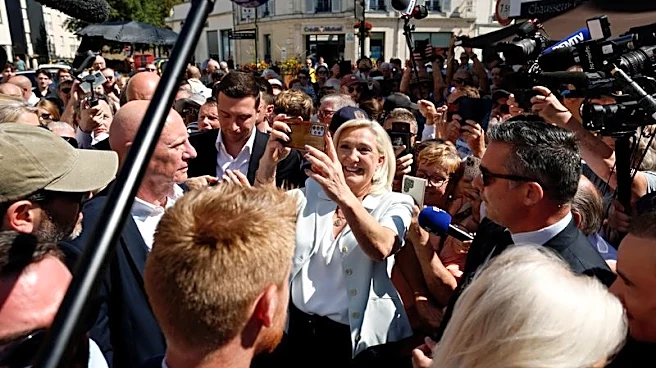
Populist politicians across the globe are increasingly adopting strategies reminiscent of President Trump, particularly in the face of scandals. In France, Marine Le Pen is running for president while wearing an ankle monitor after her conviction for embezzling
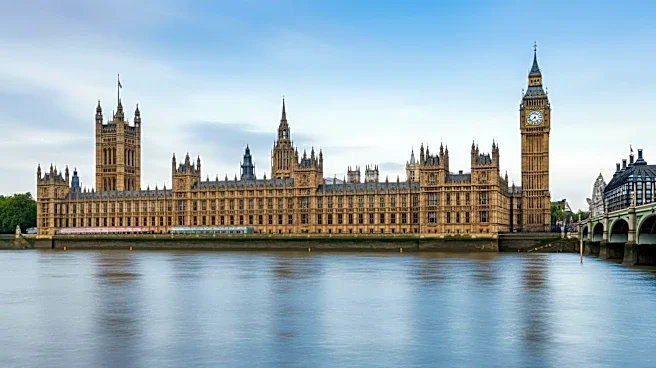
public funds. She claims the accusations are a 'witch hunt' by state authorities, echoing Trump's rhetoric. Similarly, in the UK, Nigel Farage resigned from parliament amid financial allegations, framing them as an 'establishment' conspiracy. In the U.S., Graham Platner, a former Democratic Senate nominee, blamed his campaign's collapse on party elites after allegations of sexual assault, which he denies. These leaders are leveraging their legal troubles to bolster their populist appeal, suggesting that their challenges are proof of their threat to entrenched political powers.
Why It's Important?
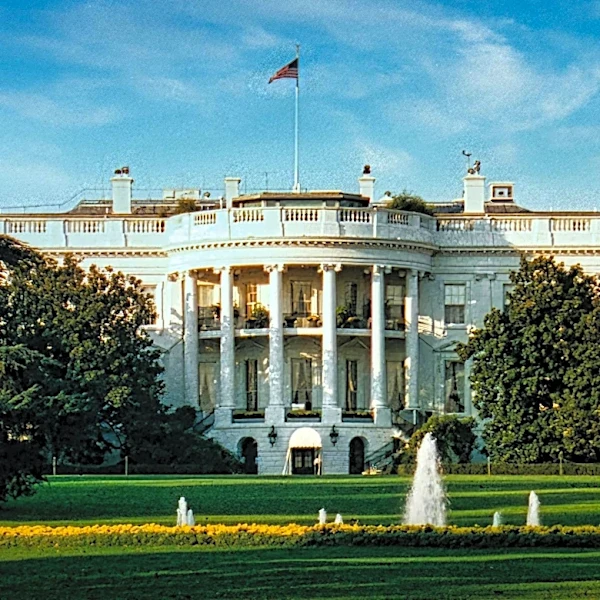
The adoption of President Trump's tactics by populist leaders highlights a significant shift in political strategy, where allegations of wrongdoing are used to reinforce a narrative of persecution by elite forces. This approach can galvanize support among voters who feel disenfranchised by traditional political systems. In the U.S., this strategy has unified the Republican Party behind Trump despite multiple legal challenges. The trend suggests a growing acceptance of populist rhetoric that positions leaders as champions against a corrupt establishment, potentially reshaping political landscapes and influencing voter behavior. This could lead to increased polarization and challenges to democratic norms as leaders exploit public discontent for personal gain.