






What's Happening?
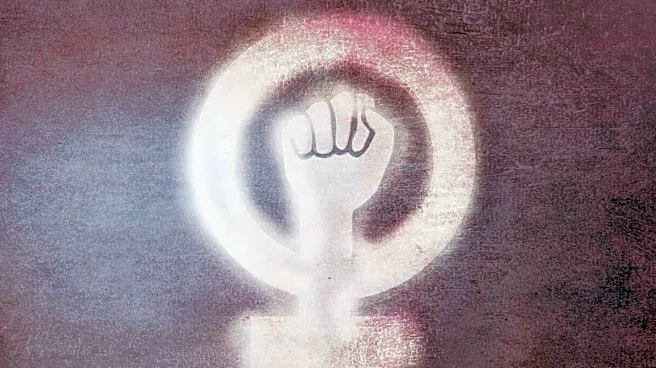
The UN Women Europe and Central Asia division is actively advocating for the rights of disabled women and girls in Kyrgyzstan. This division focuses on key areas such as intergovernmental support, economic empowerment, and ending violence against women.
In June 2026, over 200 individuals pledged support for gender equality and women’s rights at the EU Fest in the Kyrgyz Republic, where discussions addressed stereotypes affecting women and girls. Kyrgyzstan faces significant challenges, including economic instability since the early 1990s, which has led to increased discrimination and violence against women. Societal patriarchal norms, discriminatory gender stereotypes, and the unequal distribution of unpaid work contribute to women's economic vulnerability. The country's educational system also presents barriers, particularly for girls and disabled children, with many girls dropping out of school early and disabled children often segregated into under-resourced residential institutions. Only about 8% of schools in Kyrgyzstan are equipped for disabled children, and discriminatory evaluation practices often exclude them from mainstream education, leading to home-based learning that lacks proper support and social interaction.
Why It's Important?
The efforts by UN Women are crucial in a country where disabled women and girls face compounded discrimination and vulnerability. The systemic issues in Kyrgyzstan, including economic instability and deeply entrenched patriarchal norms, create an environment where these groups are at high risk of violence and exclusion. The lack of adequate educational resources and discriminatory practices in school enrollment for disabled children perpetuate a cycle of disadvantage, limiting their future opportunities and social integration. The high rates of sexual violence against disabled women, coupled with legal frameworks that historically required physical resistance as evidence, highlight a critical need for advocacy and reform. The work of organizations like UN Women, alongside recent legislative amendments in Kyrgyzstan to increase penalties for sexual violence and recognize disability as an aggravating factor, signifies a growing recognition of these issues and a push towards greater accountability and protection for vulnerable populations.
What's Next?
Kyrgyzstan has recently implemented legislative amendments to increase penalties for sexual violence offenses, including life imprisonment for crimes targeting people with disabilities. While these changes are a significant step towards accountability, continued efforts are needed to ensure survivors have access to thorough investigations, non-discriminatory legal processes, and comprehensive multisectoral support services. The Cabinet of Ministers has also announced plans to expand inclusive education rules for school-aged children, aiming to provide equal access to quality education and adapt curricula to individual needs. The ongoing work by the UN Women Europe and Central Asia division, coupled with social activism and human rights reporting, will be vital in addressing the persistent gaps in policy and practice within the country's public administration and fostering further change in the Central Asian region.
Beyond the Headlines
The situation in Kyrgyzstan reflects broader global challenges concerning the intersection of gender, disability, and socio-economic development. The deep-seated patriarchal notions and economic instability not only hinder progress but also exacerbate the vulnerability of marginalized groups. The segregation of disabled children in education and the high incidence of violence against disabled women underscore a profound ethical and human rights crisis. The emphasis on legal reforms, while necessary, must be complemented by a cultural shift that challenges discriminatory stereotypes and promotes inclusive societal attitudes. The limited mobility and social isolation experienced by disabled women and girls, particularly in rural areas, highlight the need for holistic interventions that address not only legal protections but also access to resources, community integration, and empowerment initiatives to ensure their full participation in society.