

What's Happening?
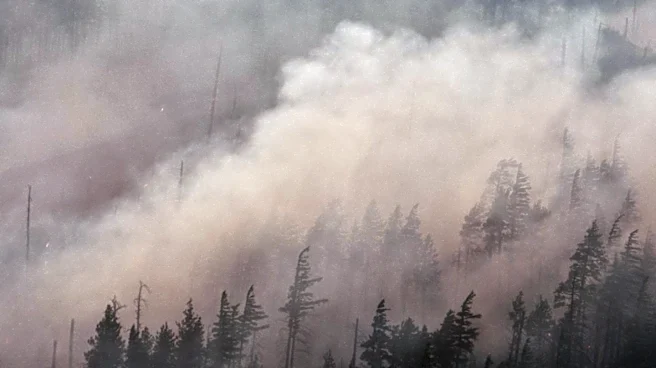
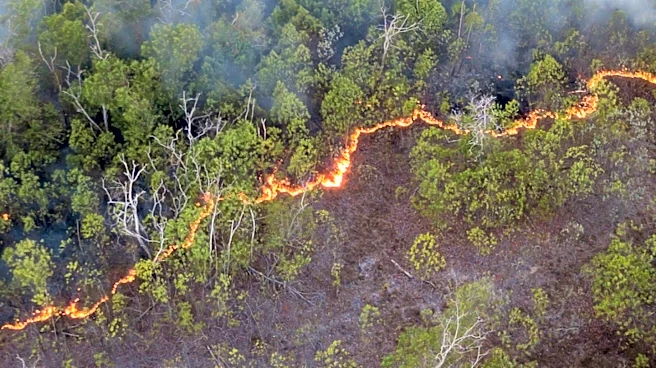
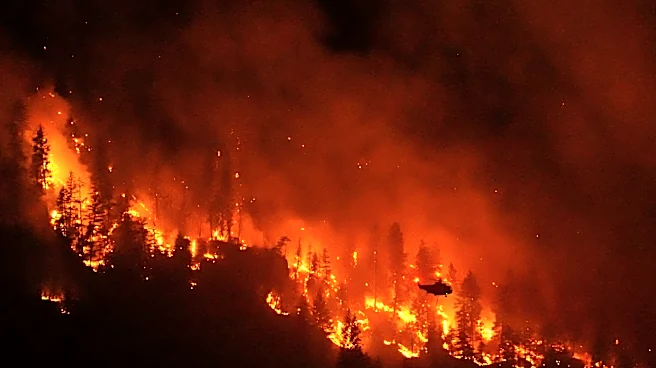
Recent studies have shown that climate change has made Canadian wildfires roughly twice as likely, with significant implications for air quality in the U.S. The wildfires, particularly in Ontario and the Northwest Territories, have resulted in widespread
smoke affecting regions across southern Canada, the Midwest, and the Northeast U.S. The World Weather Attribution group conducted a rapid analysis, concluding that human-induced climate change is a key driver behind the increased frequency and intensity of these fires. The study highlights the urgent need to address fossil fuel consumption to mitigate future wildfire risks.
Why It's Important?
The increased likelihood of wildfires due to climate change poses a significant threat to public health, ecosystems, and economies. The smoke from these fires can travel long distances, affecting air quality and posing health risks to millions of people. The economic impact includes costs related to firefighting, healthcare, and damage to infrastructure. The findings underscore the importance of transitioning to sustainable energy sources and implementing policies to reduce greenhouse gas emissions. Addressing climate change is crucial to preventing further environmental and economic damage.
What's Next?
The study calls for immediate action to reduce fossil fuel consumption and transition to renewable energy sources. Policymakers and environmental organizations are urged to prioritize climate change mitigation strategies to prevent future wildfires. Public awareness campaigns are needed to educate communities about the risks of wildfires and the importance of sustainable practices. The situation also highlights the need for international cooperation to address climate change, as its impacts are felt across borders.
Beyond the Headlines
The wildfires serve as a stark reminder of the interconnectedness of global ecosystems and the far-reaching impacts of climate change. The situation raises ethical questions about humanity's responsibility to protect the environment and the need for collective action to address climate challenges. The crisis also highlights the vulnerability of marginalized communities, who often bear the brunt of environmental disasters. Addressing climate change requires a holistic approach that considers social, economic, and environmental factors.