
What's Happening?
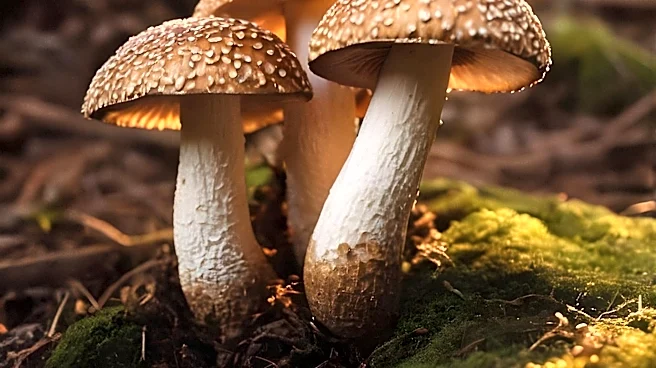
The University of Florida (UF) is observing 'Mushroom Month' to raise awareness about diverse career opportunities related to fungi. Fungi, including mushrooms, play crucial roles in agriculture, medicine,
environmental conservation, biotechnology, and food production. As demand for sustainable solutions and scientific innovation grows, careers in mycology and related fields are becoming increasingly valuable. UF's initiatives aim to connect students from various majors with these fungi-related career paths. The university's UF Fungarium, part of the Florida Museum of Natural History, houses over 58,000 fungal specimens and supports research in biodiversity, agriculture, conservation, and ecosystem health. Career paths highlighted include Mycologist, Agricultural and Mushroom Production Specialist, Environmental Restoration Specialist, and Food Scientist, each requiring specific skills such as fungal identification, crop production management, field data collection, and food product development.
Why It's Important?
UF's focus on fungi-fueled careers is significant for the U.S. workforce and educational institutions as it addresses the growing demand for specialized skills in emerging green industries. By showcasing diverse applications of fungi, from sustainable materials to medical advancements, UF is preparing students for future job markets that prioritize environmental sustainability and scientific innovation. This initiative can inspire other universities to develop similar programs, fostering a new generation of experts in mycology, biotechnology, and environmental science. It also highlights the economic potential of the fungi kingdom, encouraging investment in research and development that can lead to new products, services, and sustainable solutions for pressing global challenges like climate change and food security. The emphasis on interdisciplinary skills underscores the evolving nature of scientific careers, requiring a blend of traditional knowledge and modern technological expertise.
What's Next?
UF's Mushroom Month is likely to stimulate increased student interest in mycology and related fields, potentially leading to more enrollments in relevant academic programs and research opportunities. We can expect to see further development of specialized courses, internships, and experiential learning programs at UF and other institutions to meet the demand for these skills. The university may also expand its research efforts in areas such as mycelium-based materials, fungal bioremediation, and medicinal mushroom applications. This focus could attract more funding for fungi-related research, fostering innovation and contributing to scientific breakthroughs. Furthermore, the initiative could strengthen partnerships between academia and industry, creating pathways for students to transition into careers in sustainable agriculture, biotechnology companies, and environmental consulting firms, thereby contributing to the growth of these sectors.
Beyond the Headlines
Beyond the practical career implications, UF's Mushroom Month initiative subtly promotes a deeper appreciation for the often-overlooked fungal kingdom and its vital role in ecological balance. It challenges anthropocentric views by highlighting how fungi are essential 'nature's recyclers' and contributors to life on Earth. This educational effort can foster a broader cultural shift towards valuing biodiversity and understanding complex ecosystems. Ethically, it encourages responsible stewardship of natural resources and promotes scientific inquiry into sustainable solutions. The long-term impact could be a more fungi-literate public, leading to greater support for conservation efforts and a more holistic approach to environmental policy. It also underscores the idea that solutions to some of humanity's most pressing problems might lie in unexpected corners of the natural world, encouraging curiosity and interdisciplinary exploration.