




What's Happening?
The International Monetary Fund (IMF) has issued a warning that the ongoing conflict involving Iran could push the world towards a recession. The IMF has downgraded its global growth forecast for 2026 to 3.1%, a reduction from its previous estimate of
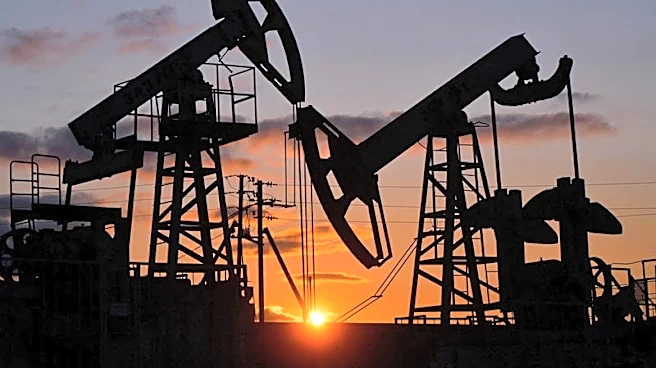
3.3%. The conflict has led to significant disruptions in global oil supply, with a reported drop of 10.1 million barrels per day in March, marking the largest disruption in history. The IMF outlines scenarios where prolonged conflict could lead to a severe energy crisis, with oil and natural gas prices potentially spiking by 100-200%, which could result in global growth falling to 2%, a level associated with recessionary conditions.
Why It's Important?
The potential for a global recession due to the Iran conflict highlights the interconnectedness of global economies and the critical role of energy markets. A significant rise in energy prices could lead to increased costs for businesses and consumers, affecting economic stability worldwide. Countries heavily reliant on oil imports may face severe economic challenges, while those with strategic reserves or alternative energy sources might mitigate some impacts. The situation underscores the importance of geopolitical stability for economic growth and the need for diversified energy strategies to reduce vulnerability to such shocks.
What's Next?
The global economic outlook will depend on the resolution of the Iran conflict and the stabilization of energy markets. Policymakers worldwide may need to consider coordinated efforts to manage the economic fallout, including potential interventions in energy markets or fiscal policies to support affected industries. The IMF and other international bodies are likely to continue monitoring the situation closely, providing guidance and support to mitigate the economic impacts. Businesses and governments must prepare for potential long-term shifts in energy supply chains and explore sustainable energy alternatives.