









What's Happening?
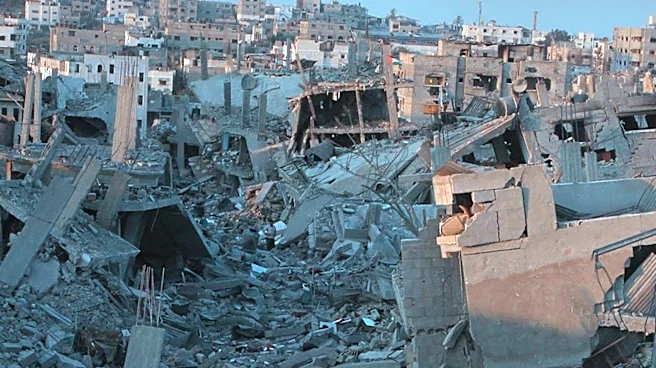
The Tekuma Administration has announced the final stage of recovery for the Gaza border region, 1,000 days after the October 7 attacks. The administration has overseen over 1,000 projects aimed at rebuilding and revitalizing the area. These projects include
neighborhood reconstruction, infrastructure development, and initiatives in healthcare, education, and local economic growth. The population of the region has increased since the attacks, with 92% of residents returning and 5,000 newcomers joining. The administration's long-term vision aims to double the population within a decade while strengthening security and community character. The budget for these efforts is approximately NIS 2.86 billion, with significant investments already made in physical reconstruction and interim housing.
Why It's Important?
The recovery efforts in the Gaza border region are crucial for restoring stability and normalcy to an area heavily affected by conflict. The successful return of residents and the influx of newcomers indicate a positive trend in community resilience and growth. These developments are significant for Israel's national security and socioeconomic stability, as they aim to rebuild trust and promote long-term development. The projects also reflect a commitment to addressing the needs of affected communities and ensuring their future prosperity. The Tekuma Administration's efforts serve as a model for post-conflict recovery and highlight the importance of comprehensive planning and investment in rebuilding efforts.
What's Next?
As the final stage of recovery progresses, the focus will be on completing ongoing projects and ensuring the sustainable development of the region. The return of the remaining communities is expected by 2027, marking a significant milestone in the recovery process. Continued investment in security upgrades, educational activities, and revenue-generating projects will be essential for maintaining momentum. The success of these efforts could influence future policies and strategies for post-conflict recovery in other regions. Monitoring the long-term impact of these initiatives will be important for assessing their effectiveness and making necessary adjustments.