




What's Happening?
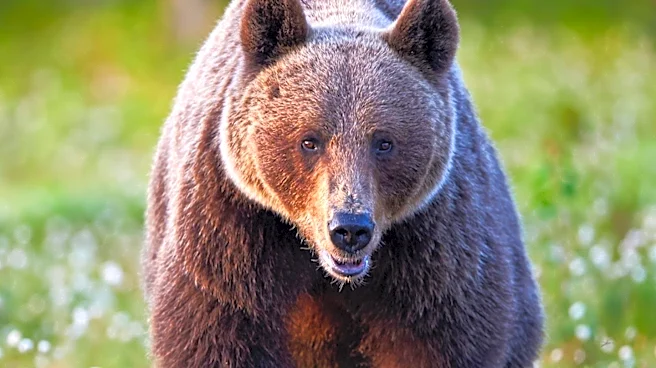
Wildlife managers in southern Montana, particularly in Red Lodge, are grappling with an unprecedented surge in bear conflicts, leading to a significant number of bears being euthanized. Daniel McHugh, a bear management specialist with Montana Fish, Wildlife and
Parks, reported that six bears, including two grizzlies, had been killed in the less-than-3-square-mile city by late August. The agency has responded to over 200 conflict reports within 15 miles of Red Lodge since spring. These conflicts often involve bears exhibiting unusual aggression, such as stalking and chasing people, and entering human dwellings. Officials attribute this behavior to a scarcity of natural food sources due to a dry winter and late freeze, which drives bears closer to human settlements in search of food. A major concern highlighted by wildlife officials, including game warden Matt Heaton, is the suspected intentional feeding of bears by some residents, which habituates the animals to human presence and food, increasing the likelihood of dangerous encounters.
Why It's Important?
The escalating bear conflicts in Montana underscore a critical challenge in wildlife management, particularly in areas where human populations are expanding into bear habitats. The practice of intentionally or unintentionally feeding bears, as observed in Red Lodge, fundamentally alters their natural behavior, leading to habituation and a loss of fear towards humans. This not only endangers human safety, as evidenced by incidents of bears stalking and attacking people, but also results in the tragic necessity of euthanizing these animals, a measure wildlife managers are reluctant to take. The situation highlights the tension between human development and wildlife conservation, and the profound impact of human actions on animal populations. The debate over how to coexist with wildlife, and the effectiveness of different management strategies, has significant implications for public safety, ecological balance, and the ethical treatment of wild animals in the U.S. West.
What's Next?
Wildlife officials in Montana are focusing on educating the community about the dangers of feeding bears and the importance of securing attractants. They hope that increased community awareness and cooperation will lead to a reduction in conflicts. Game warden Matt Heaton indicated a preference for educating suspected feeders rather than immediate enforcement, though intentional feeding of game animals and predators is banned in Montana. The long-term solution will require a shift in community behavior, moving away from practices that habituate bears to human food sources. If intentional feeding ceases, officials believe the more aggressive, 'predatory' bear behaviors might decrease, though broader issues like unsecured trash and bird feeders would still need to be addressed. The ongoing challenge will be to find a balance that allows both humans and bears to coexist safely, potentially through stricter enforcement, community-led initiatives, and continued public education campaigns.
Beyond the Headlines
The situation in Red Lodge reveals deeper societal and ethical questions about human-wildlife coexistence. The phrase "A fed bear is a dead bear" encapsulates the tragic consequence of human interference with wildlife. The debate within the community, with some residents advocating for greater tolerance and others expressing frustration with aggressive bears, reflects differing philosophies on conservation and human responsibility. The controversial ideas of Lynn Rogers, a biologist who advocated for "diversionary feeding," highlight the complexity and lack of consensus in wildlife management strategies. While his methods have been largely debunked by mainstream science, the persistence of such ideas among some residents underscores a fundamental misunderstanding or disagreement regarding bear behavior and management. This conflict extends beyond Red Lodge, representing a broader challenge across the American West where increasing human encroachment into wild areas necessitates a reevaluation of how communities interact with and manage their wild neighbors.