




What's Happening?
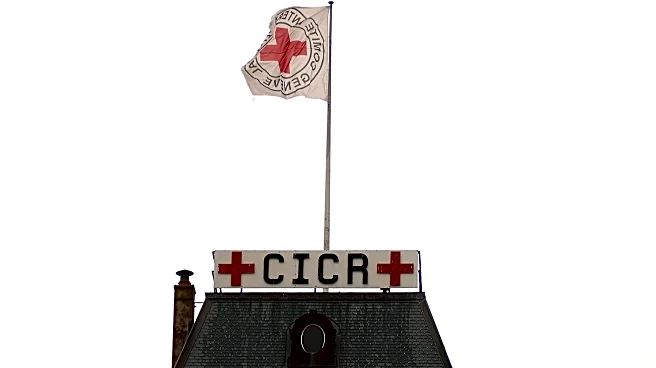
The International Committee of the Red Cross (ICRC) has released an updated Commentary on the Fourth Geneva Convention (GC IV), which significantly advances the consideration and protection of persons with disabilities within international humanitarian
law (IHL). This new commentary aims to reflect contemporary developments in how IHL is applied and interpreted in practice, filling a notable gap left by the 1958 Pictet Commentary, which predates any significant consideration of disability within the UN system. The ICRC has highlighted its comprehensive coverage of disability as a key achievement of this work. This updated commentary builds upon the ICRC's ongoing engagement with disability issues, including through special editions of the International Review of the Red Cross focusing on disability and mental health. The effort signifies a move to align IHL with modern understandings of disability rights, particularly in the context of armed conflict and other situations of violence.
Why It's Important?
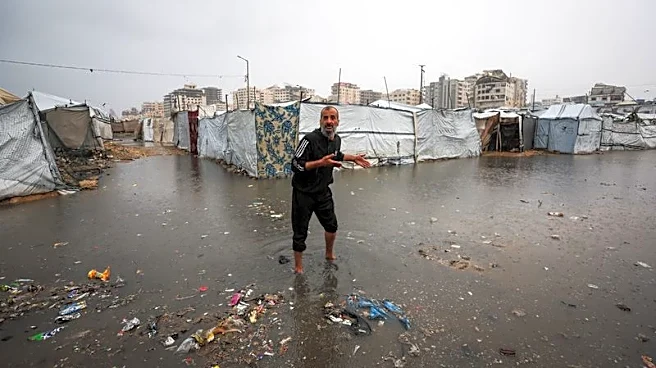
This updated ICRC Commentary is crucial because it integrates contemporary disability rights principles into the framework of international humanitarian law, ensuring that persons with disabilities receive more explicit and comprehensive protection during armed conflicts. Historically, individuals with disabilities have often been overlooked or inadequately protected in humanitarian responses, facing unique vulnerabilities in conflict zones. By providing detailed guidance on their protection, the commentary helps to bridge the gap between the Convention on the Rights of Persons with Disabilities (CRPD) and IHL. This development is vital for humanitarian organizations, legal practitioners, and states, as it offers clearer directives on how to safeguard the lives and dignity of persons with disabilities in wartime. It underscores a global commitment to inclusivity and human rights, even in the most challenging circumstances, potentially leading to improved humanitarian aid delivery and legal accountability for violations against this vulnerable group.
What's Next?
The release of the updated Commentary on the Fourth Geneva Convention is a significant step, but further developments are anticipated. The ICRC plans to release its Commentary on Additional Protocol I (AP I), which is expected to further develop the connections between the CRPD and civilian protection, as well as broader IHL protections. This ongoing work suggests a continuous effort to refine and expand the legal framework for protecting vulnerable populations in conflict. States and humanitarian actors will need to integrate these updated interpretations into their policies, training, and operational practices. Legal scholars and practitioners will likely engage in further analysis and discussion of the commentary's implications, potentially leading to new interpretations and applications of IHL. The ultimate goal is to ensure that the rights and needs of persons with disabilities are fully recognized and addressed in all aspects of humanitarian response and international law.
Beyond the Headlines
The ICRC's updated commentary reflects a broader global shift towards recognizing and upholding the rights of persons with disabilities across all sectors, including humanitarian action. This move challenges traditional perceptions that often categorize persons with disabilities solely as 'the infirm,' instead promoting a rights-based approach that acknowledges their agency and diverse needs. The commentary's emphasis on disability also highlights the intersectionality of vulnerabilities in conflict, where disability can compound other factors like age, gender, or displacement. This deeper understanding can lead to more nuanced and effective humanitarian interventions that are tailored to the specific needs of individuals. Furthermore, it reinforces the principle that international humanitarian law is a living body of law that must evolve to address contemporary challenges and reflect changing societal norms, ensuring its continued relevance and effectiveness in protecting all individuals affected by armed conflict.