





What's Happening?
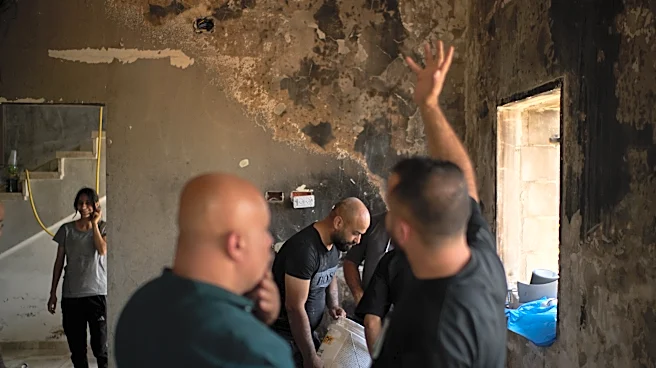
The World Health Organization (WHO) reports that over 18,500 patients in Gaza require urgent medical evacuation for specialized care unavailable locally. The ongoing conflict has severely impacted healthcare facilities, leaving many with untreated medical conditions.
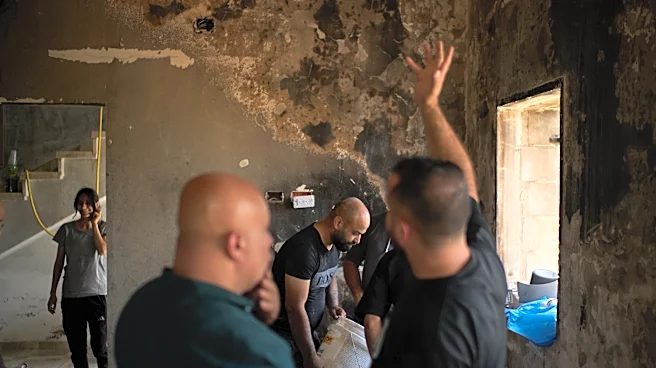
The Rafah crossing, a critical route for medical evacuations, has been only partially opened, allowing limited numbers of patients to seek treatment abroad. Journalists and other civilians in Gaza are struggling to access necessary medical care, with many facing life-threatening conditions due to the destruction of healthcare infrastructure.
Why It's Important?
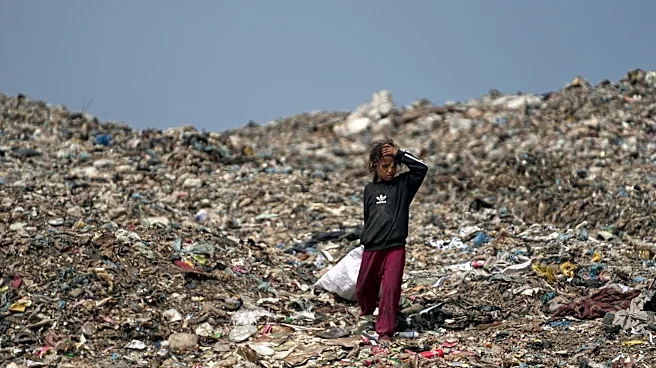
The situation in Gaza underscores the severe humanitarian crisis exacerbated by the conflict, highlighting the urgent need for international intervention to facilitate medical evacuations. The inability to access necessary medical care poses a significant threat to the lives of thousands, including journalists who play a crucial role in documenting the conflict. The WHO's report draws attention to the broader implications of restricted healthcare access in conflict zones, emphasizing the need for sustained international support and pressure to ensure the right to health is upheld.
What's Next?
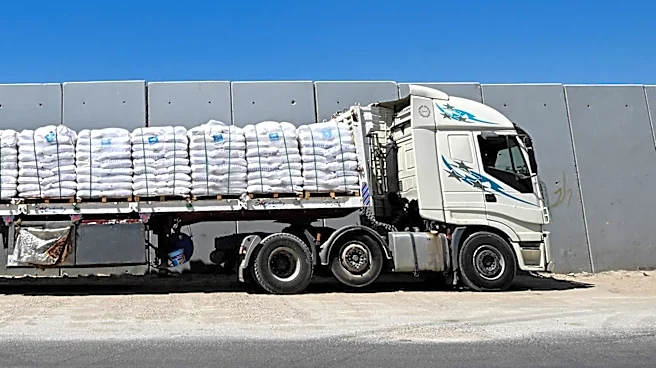
International organizations and governments may increase pressure on Israel to allow more consistent access through the Rafah crossing for medical evacuations. Humanitarian groups are likely to continue advocating for the rights of those in Gaza to receive necessary medical treatment. The ongoing conflict and its impact on healthcare access will remain a critical issue for international diplomatic efforts and humanitarian aid strategies.