




What's Happening?
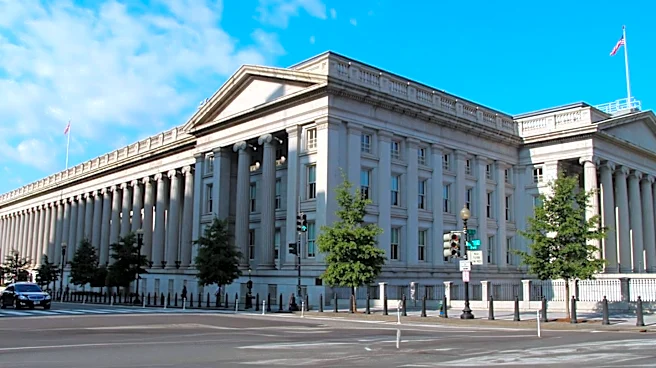
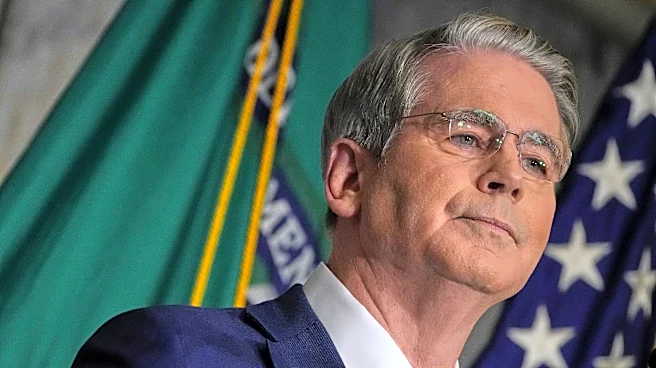
The U.S. Treasury Department has announced a new wave of sanctions targeting five critical sectors of Iran's economy: digital assets, technology, gold, aviation, and shipping. Treasury Secretary Scott Bessent stated that the objective is to "sever every
economic lifeline" that sustains Iran, describing the measures as an "economic D-Day." These sanctions are part of a broader U.S. effort to pressure Iran amid ongoing regional conflicts and economic tensions. The Treasury Department has identified and mapped networks, facilitators, and financial channels Iran uses to smuggle oil and evade existing sanctions. The new measures also include secondary sanctions on nearly 60 entities, individuals, and vessels across multiple jurisdictions, including China, the UAE, Singapore, and France, accused of enabling Iran's activities, such as nuclear and missile technology procurement, cyber operations, and oil-revenue generation. China has expressed strong opposition to these unilateral sanctions, with Foreign Ministry spokesperson Lin Jian stating that they disrupt the global economic and financial order and harm the legitimate rights and interests of other countries. Iran, through its Economy Minister Ali Madanizadeh, has vowed a tough response, asserting that it has a two-year plan to counter the new sanctions.
Why It's Important?
These expanded sanctions are significant because they aim to tighten the financial noose around Iran by targeting sectors crucial for its economic survival and its ability to fund various operations. By focusing on digital assets, technology, gold, aviation, and shipping, the U.S. is attempting to disrupt Iran's methods of circumventing previous sanctions, which have historically involved informal banking systems, cryptocurrency, and opaque shipping networks. The imposition of secondary sanctions on entities in other countries, including those in China, the UAE, and Singapore, signals a more aggressive stance by the U.S. to compel third-party actors to comply with its diplomatic objectives. This could have far-reaching implications for global trade and financial systems, potentially forcing businesses worldwide to choose between engaging with Iran or maintaining access to the U.S. dollar-based financial system. The move also highlights the U.S. administration's strategy to shift from military engagement to economic pressure, especially as the conflict with Iran has become unpopular domestically and has contributed to higher energy prices.
What's Next?
The U.S. Treasury Department has indicated that it will give countries a defined timeline to cease Iran-related activities, after which it will take further action. President Trump is expected to contact world leaders to request that they cut their interactions with Iran. The effectiveness of these sanctions will largely depend on the willingness of other nations, particularly major trading partners like China, to comply. China has already stated its firm opposition and its intent to safeguard its interests, suggesting potential friction in international relations. Iran has vowed a decisive response and claims to have a two-year plan to counter the sanctions, indicating a prolonged economic and diplomatic standoff. Experts suggest that while the sanctions may increase transaction costs and complicate Iran's access to international markets, Iran's long history of circumventing sanctions means an immediate policy change is unlikely. The U.S. may face challenges in enforcing these measures without causing significant disruption to the global financial system, especially concerning major Chinese banks.
Beyond the Headlines
The new U.S. sanctions against Iran carry deeper implications beyond immediate economic pressure. The targeting of digital assets, for instance, reflects an evolving understanding of how modern economies operate and how illicit financial flows can be facilitated, pushing the boundaries of traditional sanctions enforcement. This move could set a precedent for how digital currencies and emerging technologies are regulated in the context of international sanctions. Furthermore, the U.S. strategy of pressuring third-party countries to sever ties with Iran raises questions about national sovereignty and the extraterritorial reach of U.S. law, potentially leading to increased resentment and efforts by other nations to decouple from the dollar-based financial system. The long-term impact on Iran's domestic population, already facing severe economic hardship and inflation, could exacerbate social unrest and political instability. The sanctions also highlight a paradox: while intended to cripple Iran's economy, they may inadvertently strengthen its shadow economy and foster greater self-reliance or reliance on alternative trade networks, potentially leading to a less transparent and more complex global economic landscape.