





What's Happening?
U.S. Department of the Interior Secretary Doug Burgum, alongside U.S. Fish and Wildlife Service (USFWS) Director Brian Nesvik, announced the findings of 'Rooted in Purpose,' a comprehensive review of the National Wildlife Refuge System (NWRS). The announcement
was made on November 6 at Audubon National Wildlife Refuge in North Dakota. This review, launched last December, has resulted in 29 recommendations aimed at enhancing the management and effectiveness of the NWRS. These recommendations will be implemented through a new secretarial order, directing the USFWS to focus on key areas including mission and habitat, organizational structure, public access, infrastructure, and partnerships. The review emphasizes active habitat management, such as prescribed fire, grazing, and active forest management, and calls for increased field operations staffing and resources. Secretary Burgum stated that these recommendations provide a practical path to healthier wildlife habitats, stronger partnerships, and more opportunities for Americans to engage with public lands. The Wild Sheep Foundation, Pheasants Forever, Quail Forever, and the Boone and Crockett Club have all expressed support for these recommendations, highlighting the importance of active management and conservation partnerships.
Why It's Important?
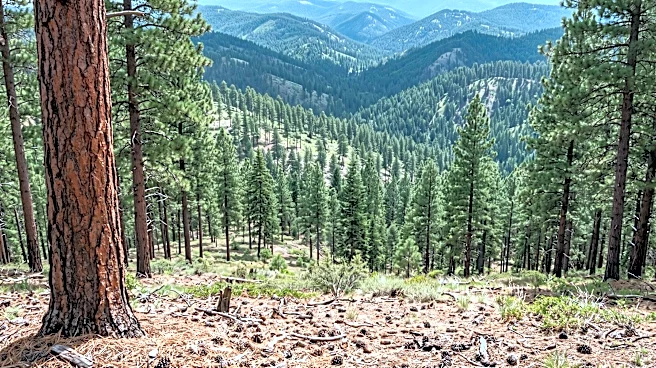
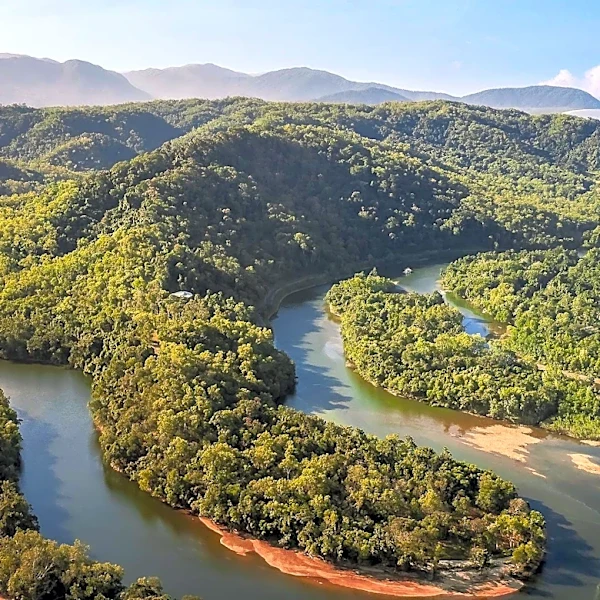
The strengthening of the National Wildlife Refuge System holds significant importance for wildlife conservation and public access across the United States. The NWRS is the only system of federal lands and waters specifically dedicated to wildlife conservation, providing critical habitats for diverse species and offering opportunities for hunting, fishing, wildlife viewing, and environmental education. The renewed focus on active habitat management is crucial for maintaining healthy ecosystems and supporting wildlife populations, including species like the desert bighorn sheep. By directing more resources to field operations and strengthening partnerships with landowners and conservation organizations, the plan aims to improve conservation outcomes both within and beyond refuge boundaries. This initiative also underscores the role of hunter-conservationists, whose contributions through programs like the Federal Duck Stamp and the Pittman-Robertson Act have historically funded significant land acquisitions and wildlife conservation efforts. The emphasis on public access for hunting and fishing reinforces the recreational and economic benefits these lands provide to American communities.
What's Next?
The U.S. Fish and Wildlife Service is directed to act on the 29 recommendations outlined in the 'Rooted in Purpose' report through a new secretarial order. This will involve implementing changes across various aspects of the National Wildlife Refuge System, including a renewed emphasis on active habitat management techniques such as prescribed fire, grazing, and active forest management. The USFWS will also focus on increasing engagement with neighboring landowners and non-federal partners to improve conservation outcomes. Furthermore, there will be efforts to direct more staff and resources towards field operations, strengthen coordination around outdoor recreation and hunting access, address deferred maintenance, and improve essential infrastructure. The plan also calls for increasing workforce flexibility and training, and establishing clearer direction and accountability for conservation planning and implementation. Conservation organizations like the Wild Sheep Foundation, Pheasants Forever, Quail Forever, and the Boone and Crockett Club have expressed their commitment to working with the USFWS as these recommendations are put into action, aiming to improve habitat, strengthen wildlife management, and expand outdoor opportunities for future generations.
Beyond the Headlines
The comprehensive review and subsequent recommendations for the National Wildlife Refuge System signal a potential shift in federal land management philosophy, emphasizing on-the-ground conservation and local expertise. This move could lead to a more decentralized approach, empowering refuge managers with greater autonomy and resources to implement tailored conservation strategies. The renewed focus on active habitat management, including practices like grazing and forestry, may also spark discussions about the balance between ecological preservation and traditional land use practices within protected areas. Furthermore, strengthening partnerships with private landowners and conservation groups could foster a more collaborative conservation model, extending the impact of refuge management beyond their physical boundaries. This initiative also highlights the enduring legacy of hunter-conservationists in funding and advocating for wildlife protection, potentially reinforcing their role in future conservation policy. The long-term implications could include healthier wildlife populations, increased recreational opportunities for the public, and a more resilient and adaptable National Wildlife Refuge System in the face of environmental challenges.