



What's Happening?
Christopher Southerland, a former congressional employee, has been charged with stealing approximately 240 government cellphones from the House of Representatives. According to federal prosecutors, Southerland, who worked as a system administrator for the House Transportation
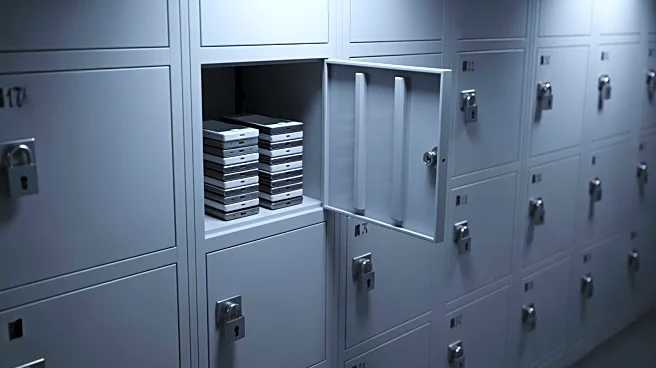
and Infrastructure Committee, embezzled and converted these phones for personal use. The total value of the stolen phones is estimated at $150,000. Southerland allegedly ordered the phones to be sent to his home in Glen Burnie, Maryland, between January and May 2023. He then sold over 200 of these phones to a local pawn shop, instructing an employee to sell them in parts to avoid detection by the House's management software. The scheme was uncovered when a phone sold on eBay was traced back to the House of Representatives Technology Service Desk, leading to the discovery of the missing phones. Southerland was indicted last month and arrested last week.
Why It's Important?
This case highlights significant vulnerabilities in the management and oversight of government property, particularly in the context of technology assets. The theft of such a large number of cellphones not only represents a substantial financial loss but also raises concerns about potential security breaches. Government-issued devices often contain sensitive information, and their unauthorized distribution could pose risks to national security. This incident underscores the need for stricter controls and monitoring mechanisms to prevent similar occurrences in the future. It also reflects on the importance of accountability and transparency within government operations, as well as the potential consequences of internal misconduct.
What's Next?
As the legal proceedings against Southerland continue, there may be increased scrutiny on the processes and protocols surrounding the issuance and tracking of government property. The House of Representatives and other government bodies might implement more stringent measures to safeguard against similar thefts. This could include enhanced tracking systems, regular audits, and stricter penalties for violations. Additionally, there may be broader discussions about improving the security of government-issued devices to prevent unauthorized access and distribution.