





What's Happening?
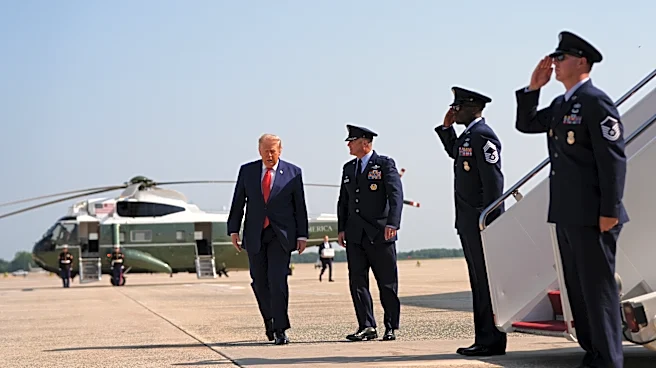
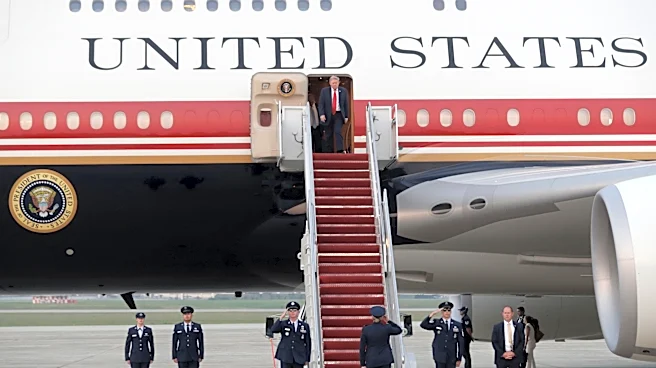
President Trump has approved a civil nuclear energy agreement with Saudi Arabia, allowing the Kingdom to potentially enrich uranium domestically. The deal includes safeguards to prevent weaponization, but these will be governed by the U.S. and Saudi Arabia rather
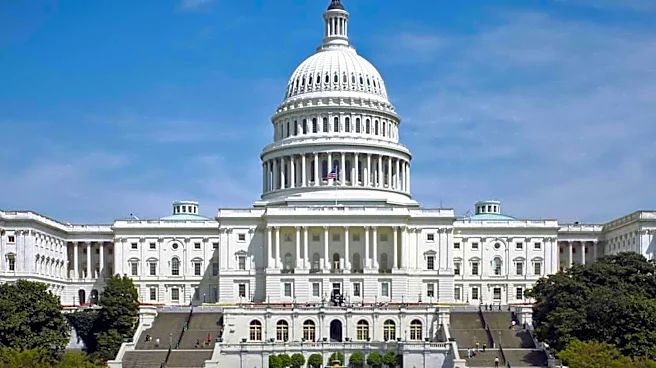
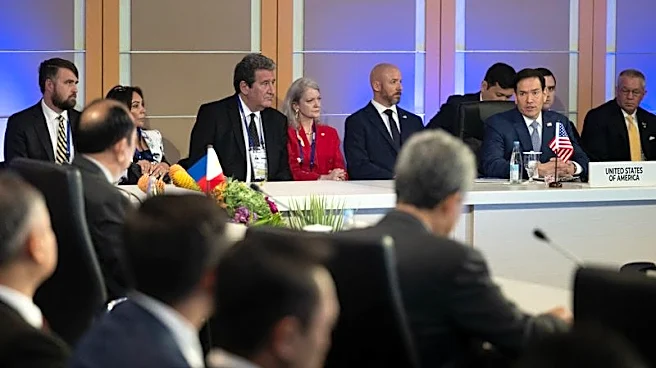
than the International Atomic Energy Agency. The agreement, valued at tens of billions of dollars, aims to develop Saudi Arabia's nuclear infrastructure with U.S. industry involvement. Secretary of State Marco Rubio stated that the U.S. would work with Congress to formalize the deal, emphasizing that it would not lead to nuclear proliferation.
Why It's Important?
This agreement marks a significant development in U.S.-Saudi relations and the global nuclear energy landscape. While it presents economic opportunities for U.S. industries, it also raises concerns about nuclear proliferation in the Middle East. The potential for Saudi Arabia to enrich uranium domestically could alter regional power dynamics and provoke reactions from neighboring countries. The decision to bypass the IAEA's oversight may lead to international scrutiny and debate over nuclear governance standards. The deal's approval reflects the U.S. administration's strategic interests in strengthening ties with Saudi Arabia while balancing non-proliferation commitments.