


What's Happening?
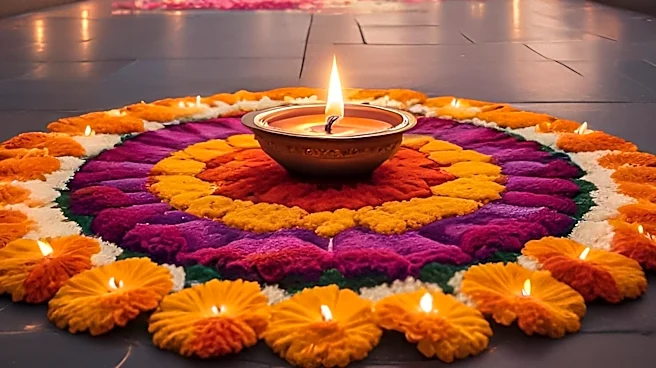
North Dakota Governor Kelly Armstrong and First Lady Kjersti Armstrong participated in a ceremonial lamp-lighting at the Governor’s Residence in Bismarck, joining community members to celebrate Diwali. Governor Armstrong highlighted the importance of
diversity as a strength and emphasized fostering friendships and partnerships across communities. He also spoke about strengthening ties between India and North Dakota through trade, diplomacy, and personal relationships. This event is part of a broader series of Diwali celebrations occurring across six U.S. states—Idaho, Nebraska, Montana, North Dakota, Washington, and Oregon—organized by the Consulate General of India in Seattle in partnership with local community leaders. These festivities, which began in mid-October and are scheduled to continue through November 10, aim to recognize the cultural heritage of India and the contributions of Indian Americans to American society. Governors in five states have already hosted observances, with Oregon Governor Tina Kotek slated to preside over the concluding ceremony.
Why It's Important?
The participation of Governor Armstrong and other U.S. governors in Diwali celebrations signifies a growing recognition and integration of Indian American culture into the nation's civic and cultural life. This trend underscores the increasing visibility and influence of the Indian American community, which contributes significantly to the U.S. economy and society. By emphasizing diversity and strengthening international ties, these events can foster greater understanding and collaboration between the U.S. and India, potentially leading to enhanced trade, diplomatic relations, and cultural exchange. For Indian Americans, these official recognitions validate their heritage and promote a sense of belonging, while for the broader American public, they offer an opportunity to engage with and appreciate diverse cultural traditions. The emphasis on 'friendships and partnerships across communities' by Governor Armstrong highlights the potential for these cultural events to build social cohesion and mutual respect.
What's Next?
The Diwali celebrations are set to conclude with a ceremony presided over by Oregon Governor Tina Kotek at the State Capitol in Salem on November 10. Following these events, the continued engagement of state and local governments with diverse cultural communities is anticipated. The emphasis on strengthening trade and diplomatic ties between North Dakota and India, as articulated by Governor Armstrong, suggests potential future initiatives aimed at fostering economic and political partnerships. The ongoing recognition of Diwali through official proclamations by governors and mayors across various states indicates a sustained effort to acknowledge the contributions of Indian Americans and promote cultural inclusivity. This trend may encourage other states and cities to adopt similar practices, further embedding diverse cultural festivals into the national calendar and civic discourse.
Beyond the Headlines
The widespread celebration of Diwali by U.S. governors and mayors reflects a deeper societal shift towards multiculturalism and the acknowledgment of immigrant communities' contributions. Beyond the immediate festivities, these events highlight the evolving demographic landscape of the United States and the increasing importance of cultural diplomacy at the state level. The recognition of Diwali's message of the triumph of light over darkness resonates with universal values and can serve as a unifying theme in a diverse society. This integration of cultural traditions into public life can help combat xenophobia and promote a more inclusive national identity. Furthermore, the focus on strengthening international relationships through cultural exchange can have long-term geopolitical implications, fostering goodwill and opening avenues for collaboration on various global issues, extending beyond mere trade to encompass shared values and mutual understanding.