

What's Happening?
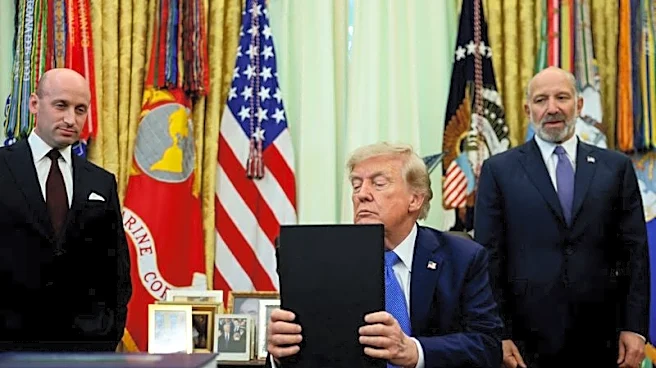
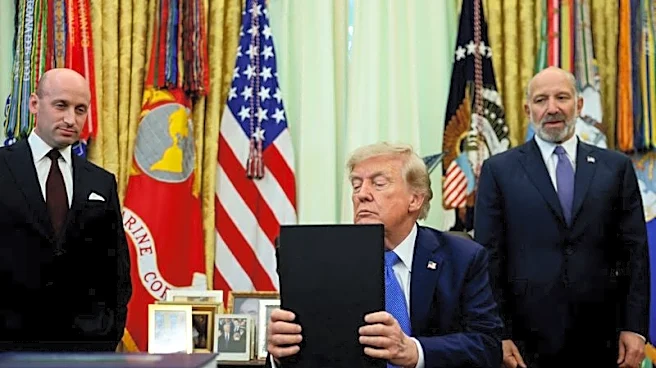
President Trump is scheduled to host a meeting with U.S. oil refiners at the White House on Tuesday, August 31, 2026. This meeting comes after President Trump publicly accused refiners of 'gouging Americans' and called for a Justice Department investigation
into their practices. The administration's goal for the meeting is to discuss expanding U.S. refining capacity and finding 'concrete, near-term steps' to increase capacity and ultimately lower gasoline prices for consumers. Gasoline prices have remained elevated, surpassing $4 a gallon, and August is projected to be the most expensive August on record for fuel prices. Major refiners like Marathon, Phillips 66, and Valero reported a combined $12.6 billion in second-quarter profits, benefiting from surging gasoline and diesel margins and increased demand from overseas buyers due to global supply disruptions. Notably, Exxon, the nation's third-largest refiner, was not invited to the meeting, following a previous incident where President Trump expressed displeasure with Exxon's CEO.
Why It's Important?
This meeting is significant as it highlights the tension between the White House's efforts to control energy prices and the profitability of the U.S. refining industry. The administration views lower energy prices as a cornerstone of its economic agenda, while refiners have capitalized on favorable market conditions. The accusations of 'gouging' and the call for a Justice Department investigation could create an adversarial environment, potentially impacting future regulatory decisions and public perception of the industry. The focus on expanding refining capacity underscores a broader policy objective to enhance domestic energy independence and stabilize fuel costs. However, the exclusion of a major player like Exxon suggests a selective approach to engagement, which could influence industry unity and cooperation with White House initiatives. The outcome of this meeting could set a precedent for how the administration interacts with critical energy sectors, affecting investment decisions and operational strategies for U.S. refiners.
What's Next?
The immediate next step is the White House meeting itself, where refiners will have a rare opportunity to directly address President Trump regarding industry concerns, including biofuel policy and the Jones Act, which impacts fuel shipment costs. Following the meeting, the administration may announce specific measures or initiatives aimed at increasing refining capacity or influencing gasoline prices. The Justice Department could also proceed with an investigation into alleged price gouging, depending on the evidence and political will. Industry executives will likely weigh the benefits of cooperation against the risks of public criticism or regulatory pressure. The market will closely watch for any policy shifts that could affect refining margins, investment in new facilities, or the supply chain for transportation fuels. The ongoing high gasoline prices, especially heading into the Labor Day weekend, will keep public and political scrutiny on the energy sector.
Beyond the Headlines
Beyond the immediate discussions on refining capacity and gasoline prices, this event touches upon deeper implications regarding the balance between government intervention and free-market principles in critical industries. President Trump's direct accusations and selective invitations suggest a willingness to exert significant pressure on private companies to align with his economic objectives. This approach could lead to a more politicized energy sector, where corporate decisions are increasingly influenced by White House directives rather than purely market forces. The incident also raises questions about the long-term investment climate for energy companies, as unpredictable political interventions could deter capital expenditure in refining infrastructure. Furthermore, the administration's focus on increasing domestic capacity, while potentially beneficial for energy security, might also face environmental scrutiny and opposition from groups advocating for a transition to renewable energy sources.