


What's Happening?
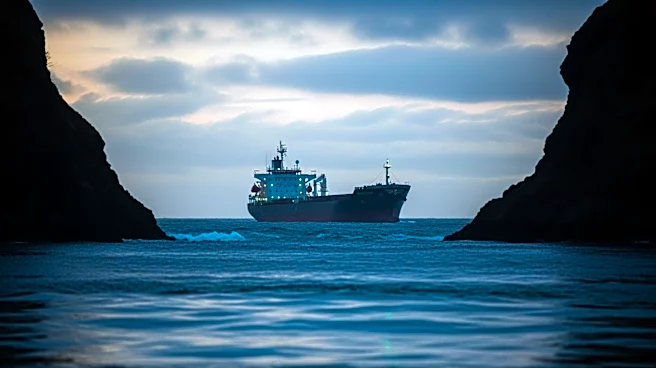
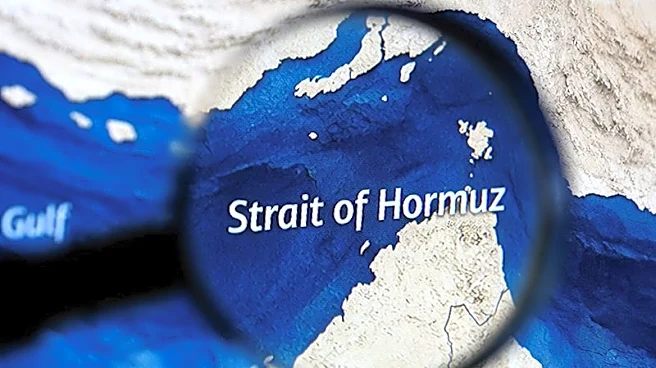
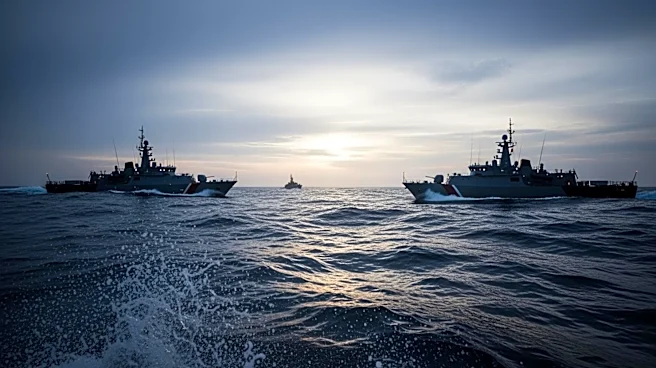
The ongoing conflict involving the United States, Israel, and Iran has led to significant economic challenges for Iran, particularly due to the blockade of Iranian ports and disruptions in the Strait of Hormuz. The blockade, which began on April 13, has severely
impacted Iran's trade, with daily losses estimated at $455 million. The situation has highlighted Iran's economic vulnerability, as the country relies heavily on the Strait of Hormuz for its trade. The conflict has also affected global energy markets, with Asian economies being particularly at risk due to their dependence on energy flows through the strait.
Why It's Important?
The blockade and disruptions in the Strait of Hormuz have far-reaching implications for both Iran and the global economy. Iran's economic exposure to the waterway makes it more vulnerable than the countries it seeks to pressure. The situation has created serious risks for global energy markets, with potential impacts on oil prices and energy security. The conflict underscores the strategic importance of the Strait of Hormuz and the potential for geopolitical tensions to disrupt global trade and energy supplies.
What's Next?
The ongoing tensions in the Strait of Hormuz are likely to continue affecting global energy markets and Iran's economy. The potential for further escalation remains, as diplomatic efforts to resolve the conflict have stalled. The situation may lead to increased international pressure on Iran to negotiate and find a resolution. The economic impact on Iran could also lead to internal unrest, as the government struggles to manage the fallout from the blockade and disruptions.
Beyond the Headlines
The conflict in the Strait of Hormuz highlights the broader geopolitical dynamics in the region and the strategic importance of energy trade routes. The situation reflects the complex interplay between economic interests and political power, with significant implications for regional stability and global energy security. The ongoing tensions may also influence future diplomatic and military strategies, as countries seek to protect their interests and maintain access to critical resources.