







What's Happening?
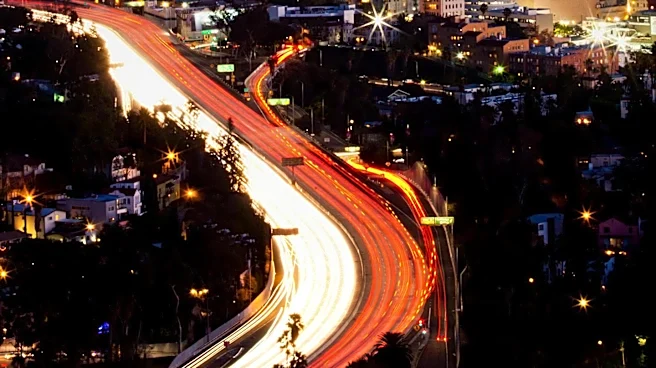
Los Angeles is currently navigating complex urban dynamics, with traffic remaining a significant and immediate shared experience. Freeways like the 405 and I-5 are characterized by constant congestion. In response, the city is seeing a significant, though
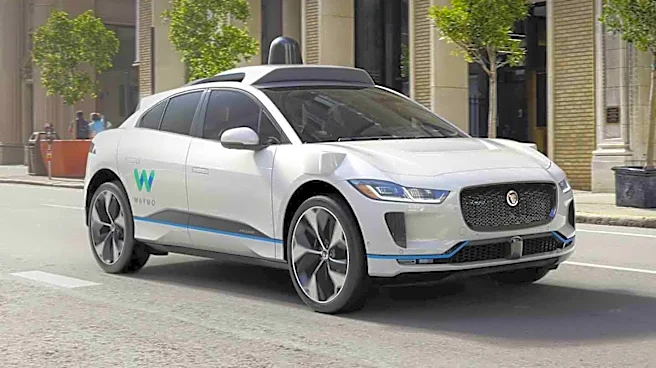
sometimes contentious, expansion of bike lanes in areas such as Silver Lake and Venice. Rideshare pick-up zones near event venues contribute to localized traffic issues, while the Metro Rail system offers a crucial alternative for thousands of daily commuters. Simultaneously, Los Angeles is a critical testing ground for technological innovations, including autonomous vehicles from Waymo and Cruise operating driverless test fleets in specific zones. The city's digital infrastructure is also under pressure due to remote work demands and the data-intensive needs of the entertainment sector, leading to the slow implementation of smart city technologies like traffic management systems and environmental sensors.
Why It's Important?
The urban mobility challenges and technological advancements in Los Angeles have significant implications for its residents and the broader U.S. urban planning landscape. Persistent traffic congestion impacts productivity, air quality, and quality of life, while efforts to expand bike lanes and public transit aim to mitigate these issues and promote sustainable transportation. The city's role as a testing ground for autonomous vehicles could set precedents for future urban transportation systems nationwide, influencing regulatory frameworks and infrastructure development. The strain on digital infrastructure highlights the growing reliance on technology for daily life and work, underscoring the need for robust and equitable access to digital services. These developments reflect a broader national trend of cities seeking innovative solutions to manage growth, improve infrastructure, and integrate new technologies.
What's Next?
Los Angeles is expected to continue its efforts to balance traditional transportation infrastructure with emerging mobility solutions. Further expansion of bike lanes and public transit options will likely be pursued, alongside ongoing debates about their effectiveness and community impact. The deployment of autonomous vehicles will likely expand, necessitating new policies regarding safety, liability, and integration with existing traffic systems. The city will also need to address the challenges of data privacy and equitable access as smart city technologies become more prevalent. Future initiatives will likely focus on creating a more integrated and efficient urban environment, leveraging technology to improve traffic flow, reduce pollution, and enhance the overall urban experience for its diverse population.
Beyond the Headlines
The dynamic interplay between urban mobility and technological innovation in Los Angeles reveals deeper societal implications. The push for autonomous vehicles, while promising efficiency, raises ethical questions about decision-making in accident scenarios and the potential impact on employment in the transportation sector. The expansion of bike lanes and public transit, while promoting sustainability, often sparks discussions about gentrification and equitable access for all residents. The implementation of smart city technologies, while offering solutions for urban management, also brings concerns about surveillance and data security. These developments highlight the ongoing tension between progress and preservation, and the need for inclusive urban planning that considers the social, economic, and environmental impacts on all communities.