

What's Happening?
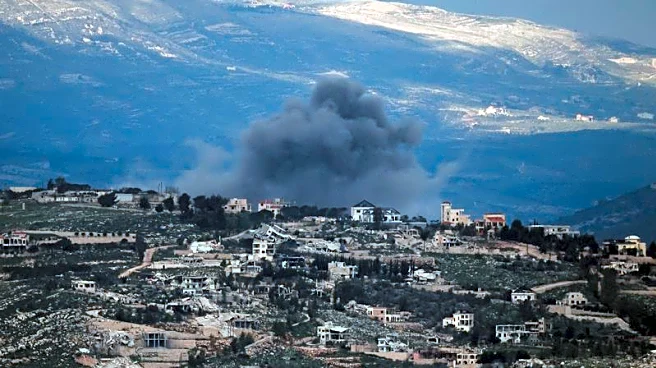
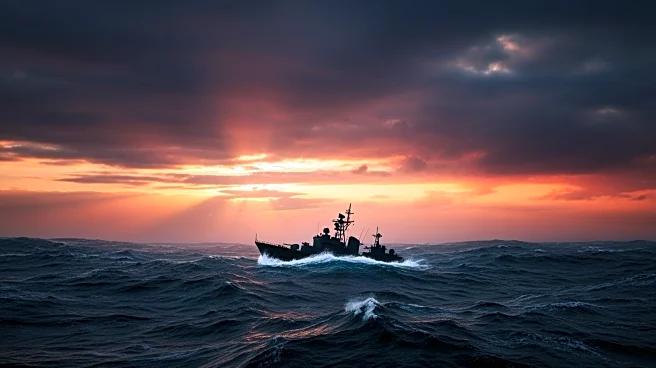
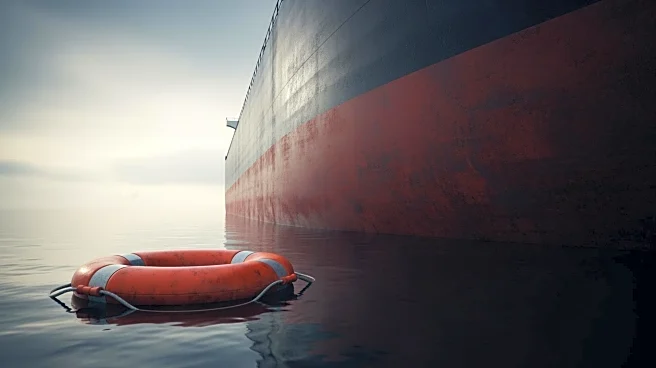
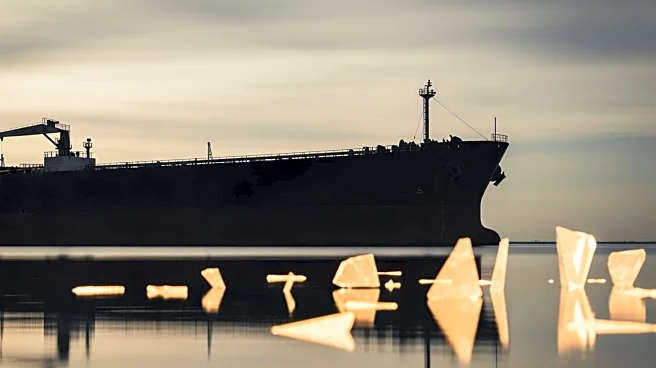
The global maritime insurance market has severed ties with the Strait of Hormuz due to escalating hostilities involving the U.S., Israel, and Iran. This has led to a halt in the world's critical energy artery, stranding hundreds of vessels and causing
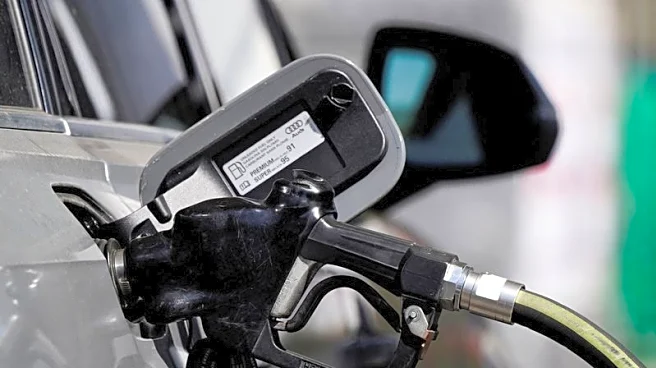
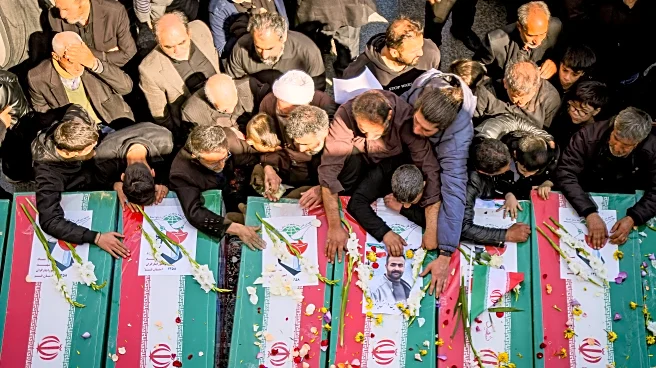
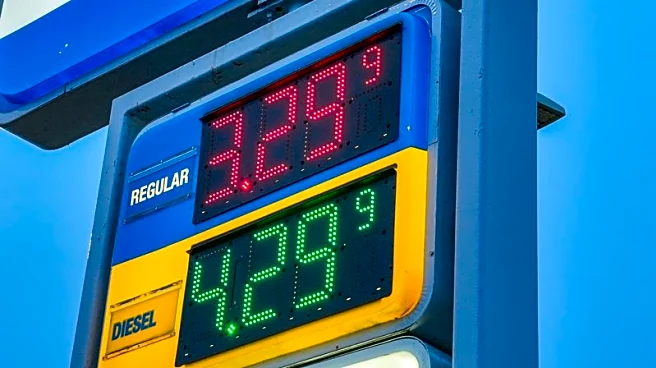
a spike in gas prices. In response, President Trump announced that the U.S. International Development Finance Corp. will offer 'political risk insurance' to commercial tankers. However, Morningstar analysts suggest this move is unlikely to reduce gas prices in the short term, as the main issue is not just insurance availability but also the increased navigation risks in the region. Major maritime insurers have terminated war risk coverage for ships in the Gulf and Iranian waters, citing threats from the Iranian Revolutionary Guard Corps.
Why It's Important?
The disruption in the Strait of Hormuz, a vital passage for global energy supplies, has significant implications for international trade and energy markets. The insurance-driven blockade has already led to a 'force majeure' declaration from QatarEnergy, affecting 20% of the world's LNG supply. The situation highlights the vulnerability of global supply chains to geopolitical tensions, with potential secondary inflation shocks as supply chains for electronics and drugs are disrupted. The U.S. government's intervention with political risk insurance aims to stabilize the situation, but the effectiveness of this measure remains uncertain.
What's Next?
The ongoing tensions in the Middle East and the insurance market's response could lead to prolonged disruptions in energy supplies. Stakeholders, including governments and energy companies, may need to explore alternative routes or solutions to mitigate the impact. The situation may also prompt discussions on the need for more resilient global supply chains and energy security strategies.