





What's Happening?
The U.S. Strategic Petroleum Reserve (SPR) is experiencing significant strain due to extensive releases of crude oil in response to geopolitical conflicts, notably with Iran and Russia. These releases have depleted the reserve to its lowest level since
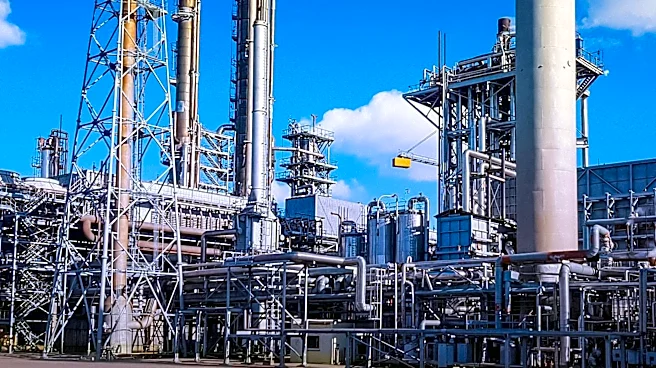
1983, with the current stockpile at approximately 308 million barrels, down from a capacity of 714 million barrels. The infrastructure of the SPR, which includes pipelines, caverns, and storage tanks, is aging and in need of repair. Federal auditors have raised concerns about the reserve's ability to respond to future emergencies, citing that the infrastructure is being held together with temporary fixes. The Department of Energy is implementing a $1.4 billion repair plan, but budget constraints have limited the scope of these repairs.
Why It's Important?
The depletion of the SPR and its aging infrastructure pose significant risks to U.S. energy security. The reserve is a critical tool for managing supply disruptions, and its current state could hinder the country's ability to respond effectively to future crises. The situation underscores the importance of maintaining robust energy reserves and infrastructure to ensure national security and economic stability. The ongoing repairs and the need for further investment highlight the challenges of balancing immediate energy needs with long-term infrastructure sustainability.
What's Next?
The Department of Energy is expected to continue its repair efforts, but the scope and pace of these repairs will depend on available funding and resources. Policymakers may need to consider additional investments or policy changes to ensure the SPR can meet future demands. The situation may also prompt discussions on alternative energy strategies and the diversification of energy sources to reduce reliance on emergency reserves.
Beyond the Headlines
The current state of the SPR raises broader questions about the U.S.'s energy policy and infrastructure investment priorities. The reliance on temporary fixes for critical infrastructure highlights the need for a more sustainable approach to energy management. Additionally, the geopolitical implications of energy reserves and their role in international relations may become more pronounced as global tensions continue to affect energy markets.