
What's Happening?
The Kurdish community is celebrating Nowruz, the Persian New Year, from March 21 to 23, 2026, under challenging circumstances. This year, the holiday coincides with the end of Ramadan and Eid al-Fitr, amidst ongoing regional conflicts. In the Kurdistan
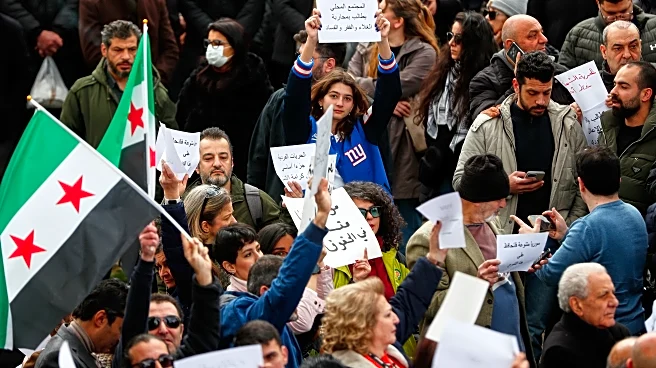
Region of Iraq, celebrations are overshadowed by security threats, including drone and missile attacks from Iranian-backed militias. In Syria, Kurds in Afrin, a region previously affected by displacement due to Turkish military actions, are marking Nowruz with renewed cultural expressions. The celebrations in Afrin symbolize a return to normalcy for many residents. Meanwhile, in Damascus, official events at the Opera House highlight a shift in cultural recognition, with performances celebrating Kurdish heritage. The European Union's chargé d'affaires to Syria described these events as indicative of a 'new Syria.'
Why It's Important?
Nowruz holds significant cultural and political importance for Kurds across the Middle East and in diaspora communities worldwide. The celebrations this year are particularly poignant as they occur against a backdrop of regional unrest and cultural shifts. In Iraq, the security threats during Nowruz highlight the ongoing tensions between Kurdish regions and Iranian-backed forces. In Syria, the resumption of Nowruz celebrations in Afrin marks a cultural resurgence and a tentative return to stability for displaced Kurds. The official recognition of Nowruz in Damascus reflects a broader acceptance of cultural diversity in Syria, signaling potential shifts in national identity and policy. These developments could influence Kurdish relations with neighboring countries and impact regional stability.
What's Next?
The continuation of Nowruz celebrations amidst regional tensions suggests potential changes in Kurdish cultural and political dynamics. In Iraq, the Kurdish response to security threats may affect future relations with Iran and influence internal security policies. In Syria, the recognition of Nowruz as a national holiday could lead to further cultural integration and policy changes, potentially affecting Kurdish autonomy and rights. The international Kurdish diaspora's celebrations, particularly in Europe, may strengthen transnational Kurdish identity and advocacy efforts. These events could prompt reactions from regional governments and international bodies, influencing future diplomatic and cultural engagements.
Beyond the Headlines
The celebration of Nowruz amidst conflict and cultural shifts highlights the resilience of Kurdish identity and the complexities of regional politics. The recognition of Nowruz in Syria as a national holiday marks a significant cultural shift, potentially influencing Kurdish integration and representation in the country's socio-political landscape. This development may also affect international perceptions of Syria's cultural policies and its approach to minority rights. The Kurdish diaspora's active participation in Nowruz celebrations abroad underscores the global nature of Kurdish identity and the potential for international advocacy and solidarity.